Follow Me On Social Media!

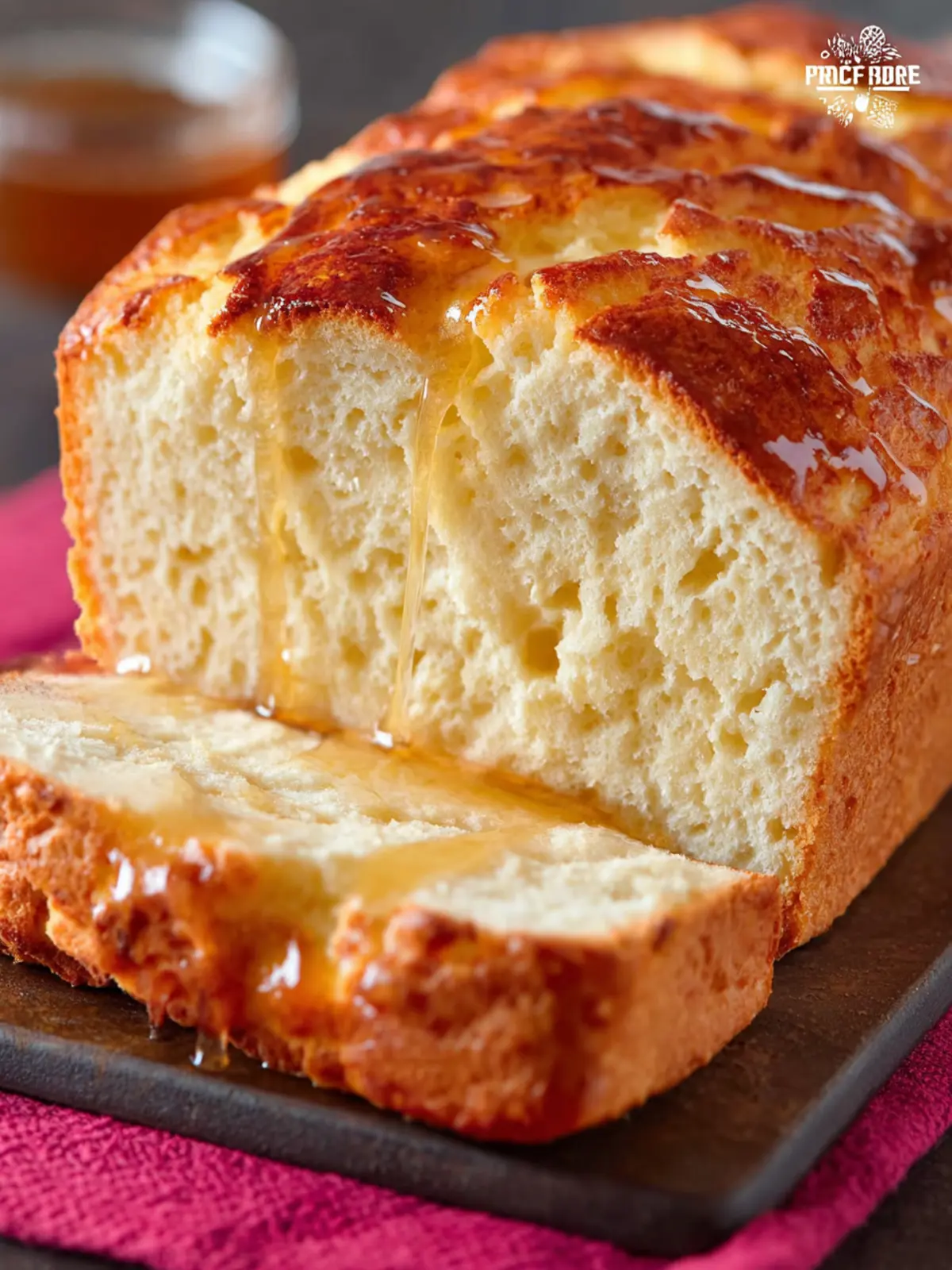
Sally Lunn Bread: The Best Cozy Loaf You’ll Ever Bake

Introduction to Sally Lunn Bread
Sally Lunn Bread is a delightful treat that has been captivating taste buds since the 18th century. Originating from Bath, England, this unique bread is often described as a cross between a cake and a bread. Imagine golden, airy loaves that are perfect for slathering with butter or enjoying with jam during a cozy brunch or afternoon tea. But what makes this bread truly special is not just its delicious flavor and fluffy texture; it’s the story behind it. Legend has it that Sally Lunn was a young French baker who brought her unique recipe to England, and over the years, it has evolved into a cherished culinary tradition.
What makes Sally Lunn Bread so special?
Sally Lunn Bread stands out for several reasons:
-
Historical Significance: With roots tracing back over 300 years, it serves as a delicious reminder of culinary history and the blending of cultures. Not many recipes can boast such a storied past!
-
Versatile Texture: While it resembles a rich brioche or a sweet bread, the dough is typically lighter and airier, making it delightful to enjoy in multiple ways. Whether you serve it warm with butter or turn it into French toast, its adaptability is truly unmatched.
-
Simplicity: The ingredients are straightforward, allowing the flavors to shine through. It doesn’t require fancy techniques or equipment, making it accessible to bakers of all skill levels.
-
Culinary Creativity: Not only does Sally Lunn Bread taste fantastic on its own, but it also serves as a wonderful base for experimentation. You can infuse it with different flavors like lavender or citrus zest, or top it with a variety of spreads to elevate its charm even more.
If you’re looking for a recipe that embodies both tradition and deliciousness, this Sally Lunn Bread will not disappoint. Join me on this baking journey to recreate a classic that’s sure to become a staple in your kitchen!
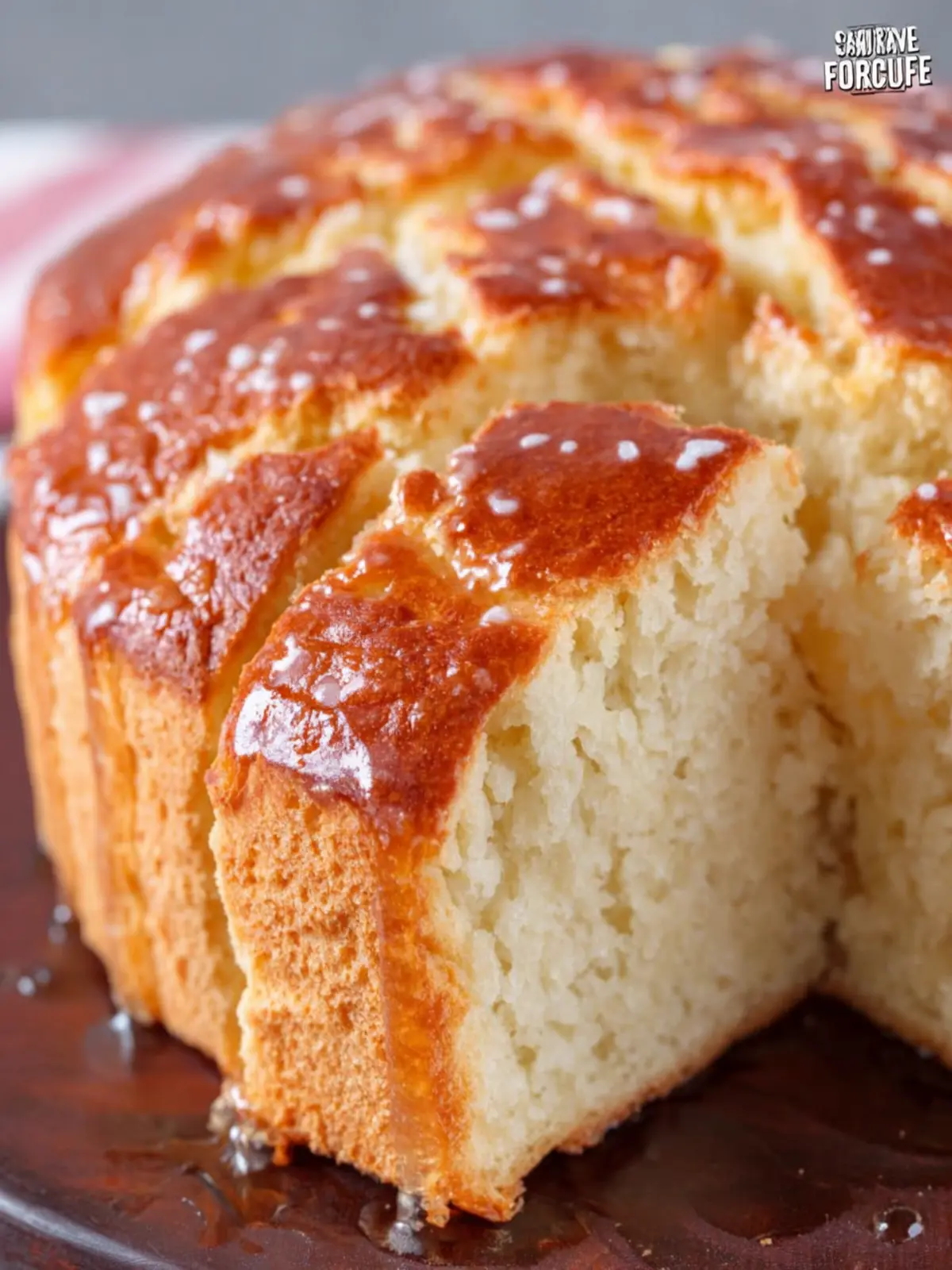
Key Ingredients for Sally Lunn Bread
The delightful Sally Lunn bread is a charming addition to any meal, and knowing the right ingredients makes all the difference in crafting this soft, sweet treat.
-
Flour: For the best results, use all-purpose flour. It’s light, ensuring the bread has the perfect texture. You might also experiment with bread flour for a slightly chewier finish, but stick with all-purpose for that classic Sally Lunn lightness.
-
Yeast: Fresh yeast or active dry yeast works wonders in this recipe, creating that fluffy rise we crave. As it activates, it releases carbon dioxide, making the dough rise beautifully.
-
Milk: Opt for whole milk for a richer flavor and softness. Warm your milk slightly before adding it to the dough; it helps the yeast to activate more effectively.
-
Butter: Incorporating unsalted butter not only enriches the flavor but also contributes to the tender crumb. A buttery surface brushed on top before baking adds a glossy finish.
-
Sugar: A bit of granulated sugar sweetens up your loaf and encourages that perfect golden crust. It also contributes to the overall softness of the bread.
-
Eggs: Eggs are key players, lending moisture and richness, while also aiding in the rise. Always use room-temperature eggs for better incorporation into the dough.
With these key ingredients, you’re well on your way to a lovely loaf of Sally Lunn bread that will impress your friends and family alike!
Why You’ll Love This Recipe
Sally Lunn bread is a delightful treat that combines a cake’s sweetness with a loaf’s heartiness, making it a versatile option for any occasion. Imagine pulling a freshly baked loaf from the oven, its golden crust effortlessly giving way to a soft, fluffy interior. This airy delight will impress guests at your brunch or serve as a cozy accompaniment to your evening tea.
Here’s what makes this Sally Lunn bread irresistible:
-
Simple Ingredients: With just a handful of pantry staples, this bread is easy to whip up, even on a busy weeknight. No complex steps, just straightforward baking that anyone can master.
-
Versatile Use: Enjoy it plain, slathered with butter, or dress it up with your favorite jam. You can even use it as a base for sandwiches, pairs beautifully with savory toppings, or as a side dish at dinner.
-
Wonderful Aroma: The moment your oven starts to fill with the warm scent of freshly baked bread, you’ll find yourself eagerly anticipating the first bite. It’s the kind of smell that brings everyone to the kitchen, creating a cozy atmosphere.
-
Impressive Presentation: Once baked, this bread has a rustic charm that makes it perfect for gatherings. Its beautifully risen profile will have your friends guessing it came from a gourmet bakery!
Once you taste this Sally Lunn bread, you’ll understand why it has stood the test of time in kitchens around the world!
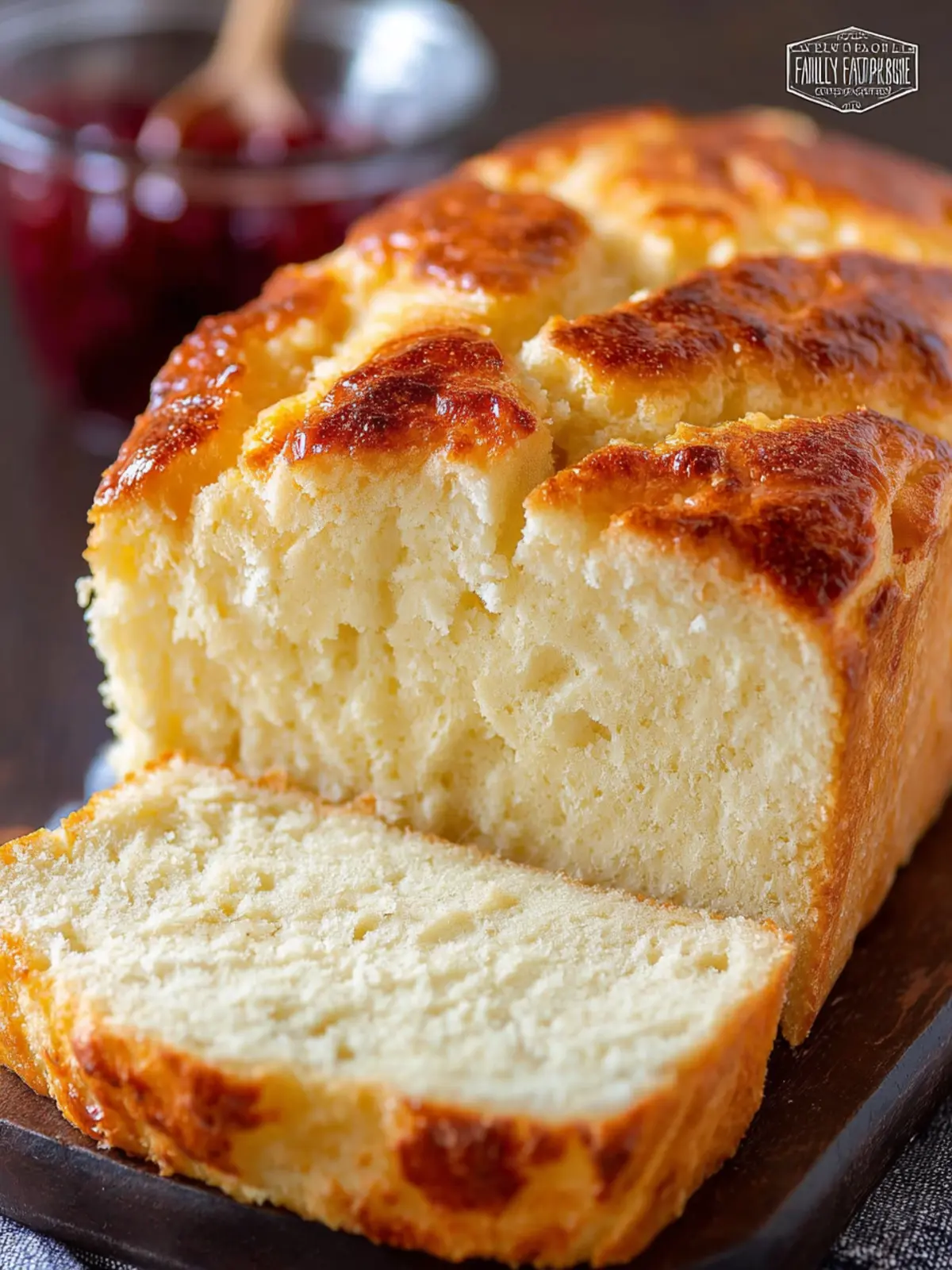
Variations
Sally Lunn Bread is a wonderfully versatile treat, inviting you to explore a world of flavor outside the traditional. Whether you crave something savory for brunch or a sweet bread for dessert, there’s a variation to suit every taste.
Savory Additions
Consider incorporating elements like herbs and cheese into your Sally Lunn Bread. Fresh rosemary or thyme pairs beautifully with a sharp cheddar, creating a delightful bread perfect for sandwiches or as an accompaniment to soups.
Sweet Twists
For those with a sweet tooth, try adding fruits such as dried cranberries, blueberries, or even chocolate chips. These additions elevate the bread to a luxurious dessert, making it an impressive option for gatherings.
Gluten-Free Option
If dietary restrictions are a concern, substitute all-purpose flour with a 1:1 gluten-free blend. This makes it inclusive while maintaining the beloved fluffy texture of Sally Lunn Bread.
Experiment with these variations to discover your own perfect version, and enjoy the process of crafting a bread that reflects your unique culinary style!
Cooking Tips and Notes
Understanding Sally Lunn Bread
When it comes to Sally Lunn bread, this delightful treat has a rich history that dates back to the 18th century. Originating from Bath, England, this bread is more like a sweet, airy cake than traditional bread, perfect for breakfast or an afternoon tea. Here are some tips to ensure your baking experience yields the best possible loaf.
Choosing the Right Ingredients
-
Flour: All-purpose flour works perfectly for Sally Lunn bread, but if you want a lighter texture, consider using bread flour. Its higher protein content can give the bread more structure.
-
Yeast: Opt for active dry yeast for a robust rise. Make sure to activate it with warm water and a pinch of sugar—this wakes up the yeast and ensures a good fermentation process.
-
Milk: Whole milk is ideal for a richer flavor and softer crumb. If you prefer a dairy-free option, substitute with almond or soy milk, making sure it’s warm for yeast activation.
Mixing the Ingredients
When combining your wet and dry ingredients, remember this important step: do not overmix. Mixing just until combined will create a tender texture. Think of it as a light hug, not a heavy squeeze!
Baking Techniques
-
Oven Temperature: Preheat your oven thoroughly. A well-heated oven helps achieve that coveted golden crust, while a too-cool oven can result in a dense bread.
-
Cooling: Allow the Sally Lunn bread to cool in the pan for a few minutes before transferring it to a wire rack. This prevents the bottom from becoming soggy, keeping your loaf light and fluffy.
By following these tips, you’ll be on your way to creating an exceptional Sally Lunn bread that’s sure to impress friends and family alike!
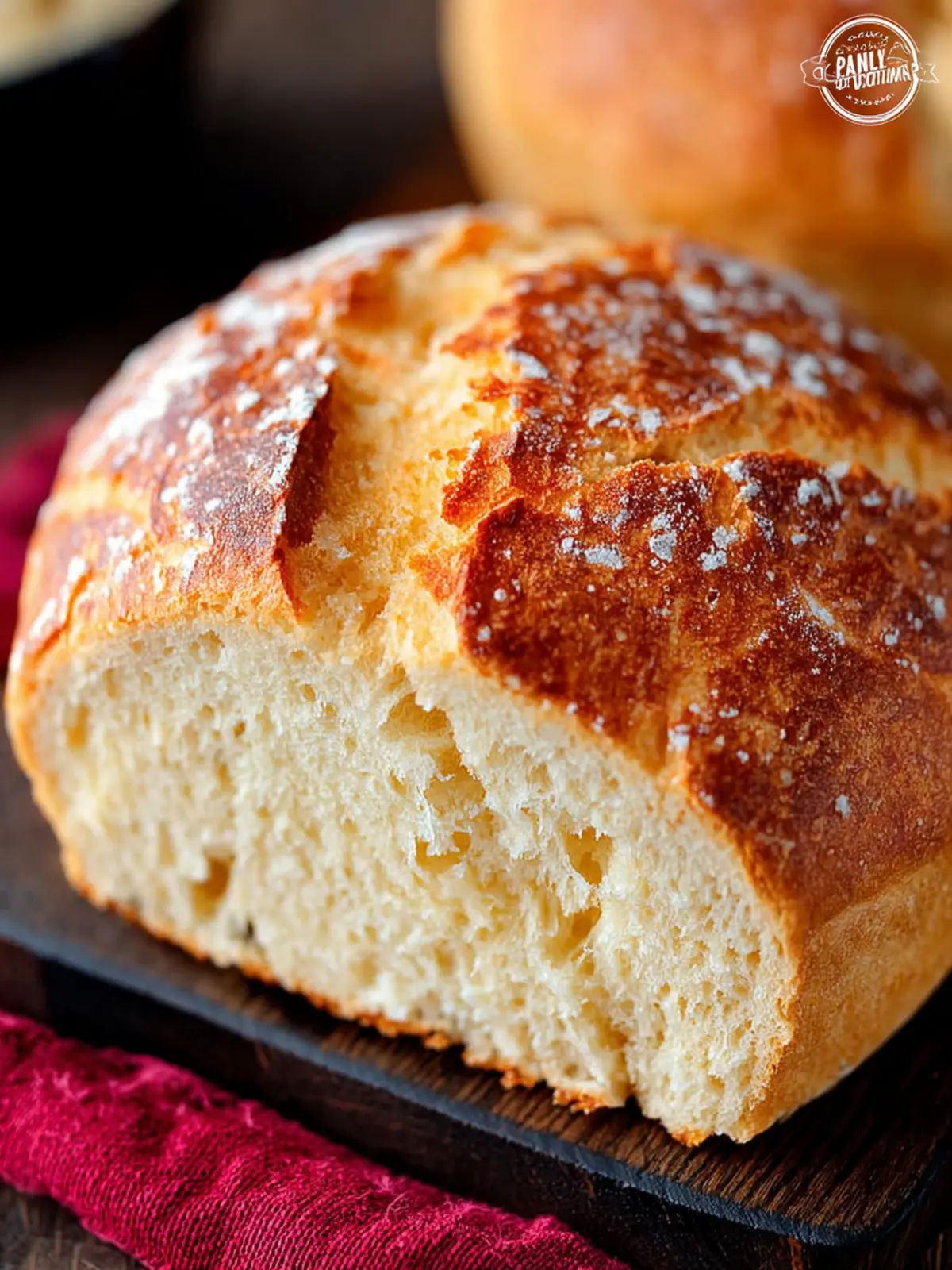
Serving Suggestions
When enjoying your Sally Lunn Bread, think beyond just plain slices. This soft and fluffy bread is a canvas for creativity.
-
Breakfast Delight: Toast a slice and slather it with butter and jam for a comforting start. It pairs beautifully with a hot cup of coffee or tea.
-
Savory Pairing: Use slices as a base for savory toppings. Consider layers of avocado and poached eggs for an enjoyable brunch dish.
-
Soup Companion: A warm bowl of soup is always better with a side of freshly baked Sally Lunn Bread. The bread’s texture makes it perfect for soaking up delicious broths.
-
French Toast Upgrade: For a special treat, transform leftover bread into French toast. Dip slices in an egg mixture, cook until golden, and serve with maple syrup.
Explore these suggestions to discover how versatile your Sally Lunn Bread can be. Whether sweet or savory, each bite offers a delightful experience!
Time Breakdown
When you’re ready to dive into making Sally Lunn Bread, it’s essential to have a clear picture of the time commitment involved. This delightful bread is just as rewarding in the kitchen as it is on your dining table.
Preparation Time
To get started, you’ll need about 15 minutes for preparation. This includes measuring out your ingredients and mixing everything to form a smooth dough.
Rising Time
Next comes the waiting game, with approximately 1 hour for the rising of the dough. This step is crucial, allowing the yeast to work its magic and develop that fluffy texture.
Baking Time
Once the dough has risen, baking should take around 30 minutes. Keep an eye on it until it turns a lovely golden brown.
Total Time
In total, you’re looking at a little less than 2 hours from preparation to that first warm slice of Sally Lunn Bread. It’s worth every minute spent!
Nutritional Facts
When baking your delightful Sally Lunn Bread, it’s important to consider the nutritional aspects of this charming treat. Whether enjoyed as a breakfast option or an afternoon snack, understanding its nutritional profile can help you appreciate its role in your diet.
Calories
One serving of Sally Lunn Bread contains approximately 180 calories. This makes it a versatile choice for a light meal or snack without excessive calorie intake.
Protein
Packed with about 5 grams of protein per serving, this bread offers a modest amount to help keep you satisfied and energized throughout the day.
Carbohydrates
Each slice contributes around 36 grams of carbohydrates. This makes Sally Lunn Bread an excellent source of energy, perfect for fueling your morning or powering through the afternoon slump.
FAQ about Sally Lunn Bread
Sally Lunn Bread, with its delightful airiness and rich flavor, often invites many questions, especially for those new to this wonderful recipe. Below are some frequently asked questions that might help you as you embark on your baking adventure.
Can I use whole wheat flour instead of white flour?
Absolutely, you can use whole wheat flour to make your Sally Lunn Bread! However, keep in mind that this substitution may yield a denser loaf and impart a nuttier flavor. If you’re aiming for a slightly softer texture, consider using a mix of whole wheat and all-purpose flour.
Can I make this bread without a stand mixer?
Yes, you can! While a stand mixer does make the process easier, you can certainly make Sally Lunn Bread by hand. Simply combine your ingredients in a large bowl and use a wooden spoon to mix until a dough forms. Then, knead the dough on a lightly floured surface for about 8-10 minutes until smooth and elastic. You’ll get a good workout and the satisfaction of handmade bread!
How do I store leftover Sally Lunn Bread?
To keep your Sally Lunn Bread fresh, store it in an airtight container at room temperature for up to three days. If you have leftovers that will last longer, you can wrap the bread in plastic wrap and place it in the freezer, where it can last for about a month. When ready to enjoy, simply thaw and reheat slightly in the oven for that fresh-baked taste!
Conclusion on Sally Lunn Bread
As you’ve discovered, Sally Lunn Bread isn’t just a recipe; it’s a piece of history that invites warmth and comfort into your kitchen. With its soft, fluffy texture and rich flavor, this bread makes for an excellent companion at any meal, whether enjoyed as toast at breakfast or served alongside soup at dinner.
Experiment with toppings like butter, honey, or jam to elevate each slice. The joy of baking Sally Lunn Bread lies not only in the delicious results but also in the delightful experience it brings. So, why not gather some friends or family and share a loaf together? You might find this charming bread becoming a beloved staple in your home as it has in countless others!
Print
Homemade Bread
- Total Time: 1 hour 5 minutes
- Yield: 1 loaf 1x
- Diet: Vegetarian
Description
This homemade bread recipe is simple and perfect for beginners. Its soft texture and rich flavor make it an ideal addition to any meal.
Ingredients
Scale
- 1 cup hot milk
- 1/2 cup butter (or 1/4 pound)
- 1/4 cup sugar
- 1 teaspoon salt
- 1 package dry yeast
- 1/4 cup warm water
- 3 eggs
- 3 1/2 cups white flour
Instructions
- Mix the hot milk, butter, sugar, and salt in a large mixing bowl (a stand mixer works great) and let cool until lukewarm.
- In a separate bowl, whisk the yeast into the warm water and let it stand for 5 minutes to dissolve and get a little frothy.
- Add the dissolved yeast and the eggs to the first mixture and beat vigorously.
- Using a hook attachment for the stand mixer, gradually add the flour and mix for 3 minutes.
- Cover bowl loosely with plastic wrap or a towel.
- Let the dough rise until doubled in size. This should take about 1 hour.
- Preheat oven to 350. Pour the mixture into a buttered loaf pan. Bake for 50 minutes.
- Let the loaf cool for 5 minutes in the pan then transfer to cooling rack to let it cool more before slicing.
Notes
- This dough can be shaped into rolls or loaves based on your preference.
- Add herbs or cheese for a flavorful twist.
- Prep Time: 15 minutes
- Cook Time: 50 minutes
- Category: Breads
- Method: Baking
- Cuisine: American
Nutrition
- Serving Size: 1 slice
- Calories: 120
- Sugar: 2g
- Sodium: 200mg
- Fat: 5g
- Saturated Fat: 3g
- Unsaturated Fat: 2g
- Trans Fat: 0g
- Carbohydrates: 18g
- Fiber: 1g
- Protein: 3g
- Cholesterol: 20mg