Follow Me On Social Media!

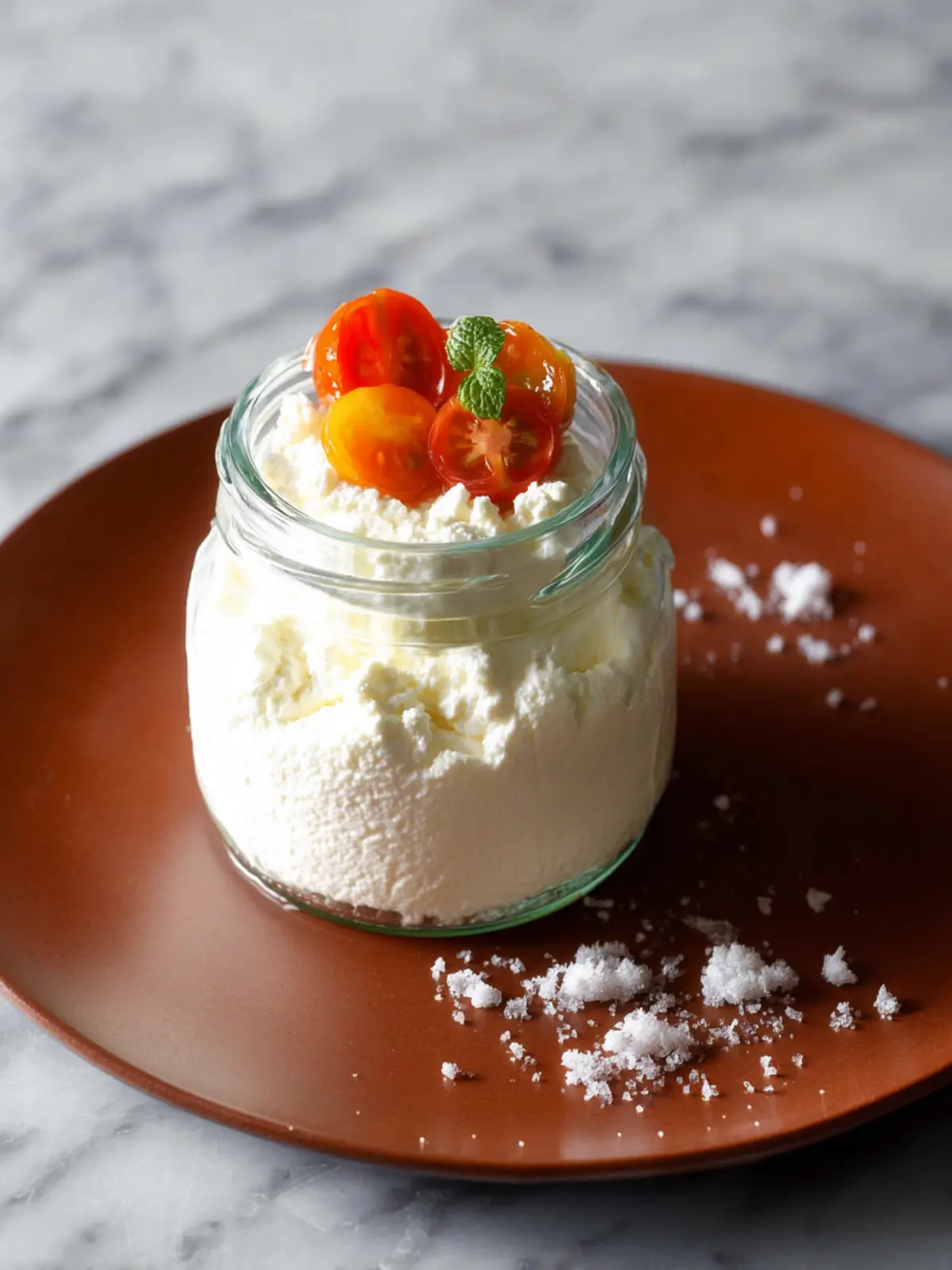
How to Make Ricotta Cheese: The Easiest Creamy Delight Ever

Introduction to How To Make Ricotta Cheese
Imagine standing in your kitchen, the enticing aroma of creamy, fresh ricotta cheese wafting in the air. This isn’t just any ricotta; it’s the product of your own hands, made with love and precision. The moment you scoop a spoonful from your bowl and taste that delicate, slightly sweet flavor combined with a smooth texture, you realize: homemade ricotta is truly a game-changer for home cooks.
Many home chefs shy away from making cheese thinking it’s too complicated, but the truth is that once you learn how to make ricotta cheese, you’ll wonder why you waited so long to try it. Not only is it surprisingly simple, but the freshness and flavor of homemade ricotta are unmatched. Think about it—this creamy cheese can elevate countless dishes: from your morning pancakes to evening pasta or even a light dessert.
Why Homemade Ricotta is a Game-Changer for Home Cooks
-
Flavor: Store-bought ricotta often lacks the depth of flavor that freshly made cheese provides. By making it yourself, you can control the ingredients and ensure every bite is rich and creamy.
-
Ingredients: You only need a few basic components—milk, vinegar, and salt—to whip up this delicious cheese. Knowing that your ricotta is made with wholesome ingredients brings an added sense of satisfaction.
-
Versatility: Whether spread on toast, dolloped on salads, or folded into lasagna, fresh ricotta can be adapted to suit any recipe. Its subtle taste complements both savory and sweet dishes wonderfully.
-
Cost-Efficiency: Making your own cheese can save you money in the long run, especially if you love using ricotta regularly.
-
Fun Experience: The process of boiling and curdling milk can be a joy in itself. It’s a fun and engaging culinary project that connects you to the art of cooking.
Now that you’re inspired to create your own ricotta cheese, let’s delve into the ingredients and steps necessary for making this delightful cheese at home. You’ll soon realize that this simple process can transform the way you cook and share meals with family and friends.
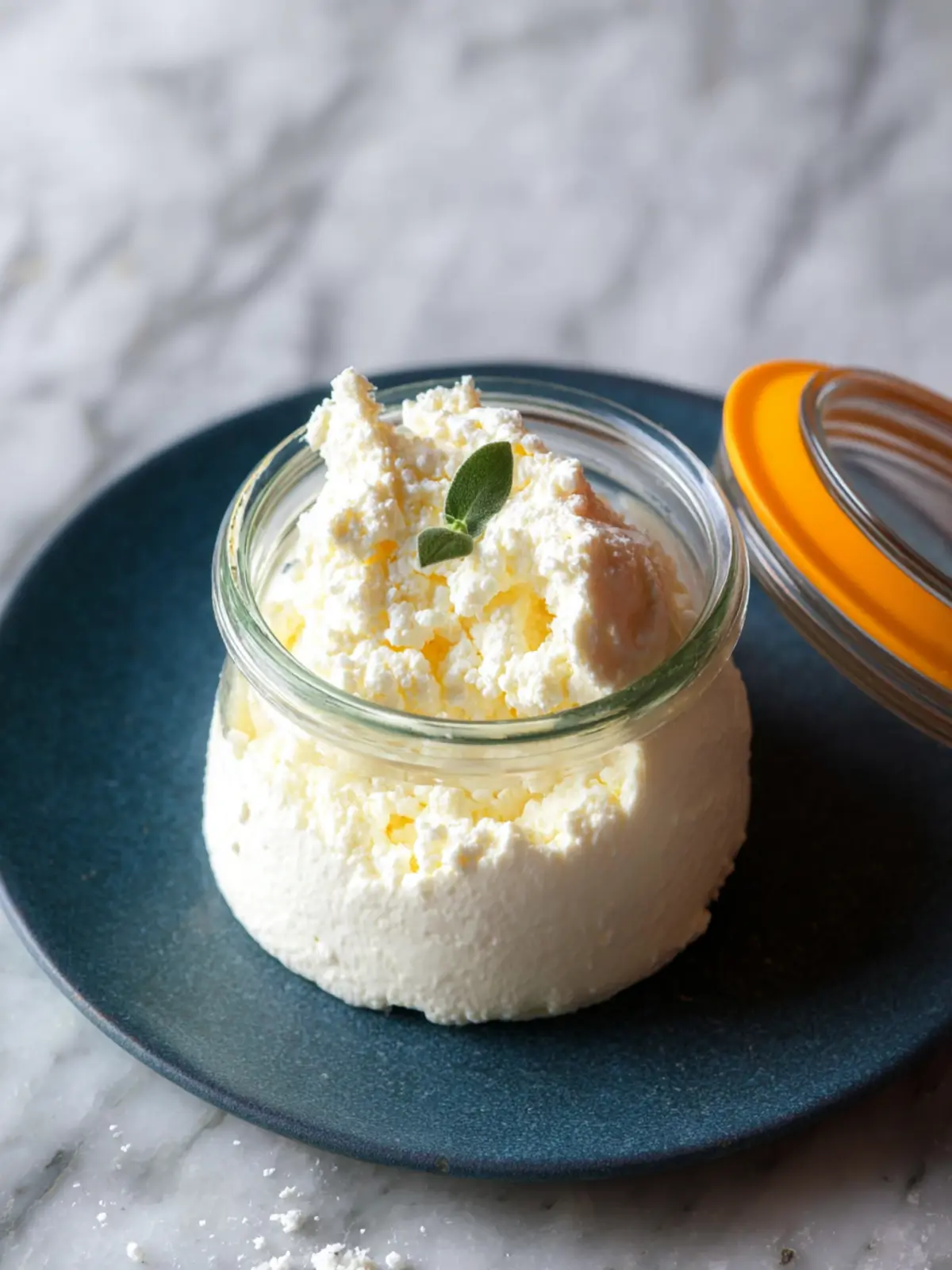
Key Ingredients for How To Make Ricotta Cheese
Whole milk: To create a truly delightful homemade ricotta, whole milk is non-negotiable. It’s the foundation that provides the creamy, rich texture you crave. I always prefer using whole milk; it makes the cheese velvety and lush, perfect for spreading or dolloping on your favorite dishes.
Heavy cream: Incorporating heavy cream is what takes your ricotta to the next level. It adds that extra layer of richness and a wonderfully velvety mouthfeel. Trust me, this secret ingredient will elevate your homemade cheese to something truly special!
Fresh lemon juice: The magic of fresh lemon juice lies in its natural acidity, which helps the milk curdle beautifully. This not only gives the ricotta its characteristic taste but also a bright, refreshing quality. If you find yourself out of lemons, white or apple cider vinegar can be a handy substitute.
Sea salt: The final ingredient is sea salt, which enhances the flavor and ensures your ricotta isn’t bland. I prefer using about two teaspoons for a nice punch, but you can always adjust the quantity to suit your taste. Enjoy the savory goodness!
Why You’ll Love This Ricotta Cheese Recipe
Learning how to make ricotta cheese at home is an adventure that invites you into the rich world of fresh dairy flavors. Imagine standing in your kitchen, the savory scents of warm milk wafting around you, as you create a cheese that elevates any dish it graces. Here’s why you’ll absolutely love this process and the delightful results.
-
Freshness Matters: There’s something undeniably satisfying about crafting your cheese from scratch. Store-bought ricotta simply can’t match the freshness and creaminess you’ll achieve at home.
-
Versatility of Use: This ricotta cheese isn’t just a filling for your lasagna or a dollop on your pasta; it’s a culinary chameleon. Use it in desserts like cheesecake, mix it into pancakes, or savor it spread on crusty bread.
-
Health Benefits: Making ricotta at home allows you to control the ingredients. You’ll enjoy a fresher, less processed version that might just be more nutritious.
-
Quick and Simple: Despite what you might think, learning how to make ricotta cheese doesn’t require hours of labor. In just about 30 minutes, you’ll have a creamy, dreamy cheese ready to enhance your meals.
This recipe is an invitation to explore the joys of homemade cheese, bringing gourmet flair right into your kitchen!
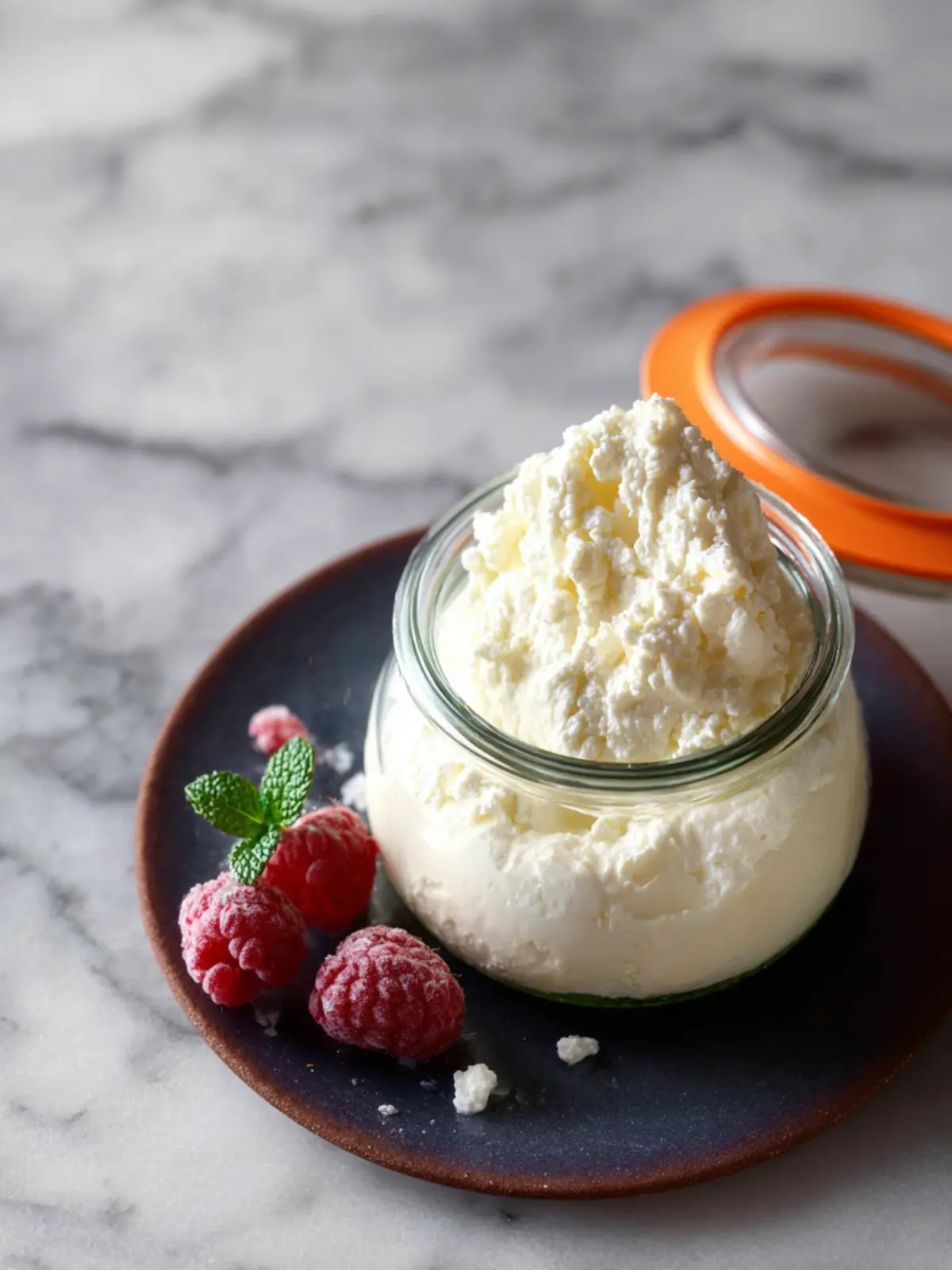
Variations on Homemade Ricotta Cheese
Exploring homemade ricotta cheese opens up a world of delicious possibilities. Just imagine walking into your kitchen, and the aroma of your freshly made ricotta fills the air—it’s a delicious invitation to get creative. While the classic recipe is fantastic on its own, it’s easy to add your personal twist through various variations.
Herb-Infused Ricotta
Want to elevate your ricotta? Consider infusing it with your favorite herbs. Stir in fresh basil, rosemary, or chives for a light, aromatic touch. You can serve this herbed ricotta on a crusty baguette or use it as a stuffing for fresh pasta.
Sweet Ricotta Delight
Feeling adventurous? Mix in a bit of honey or maple syrup along with vanilla extract for a sweet ricotta version. This is fantastic for spreading on toast or drizzling over pancakes. Top it with fresh fruit for a delightful breakfast or dessert treat.
Spicy Ricotta Kick
If you crave a little heat, add a pinch of red pepper flakes or mix in roasted garlic. This spicy ricotta works great in savory dishes or as a bold dip paired with veggies or crackers.
Citrus Zest Addition
For a refreshing twist, grate some lemon or orange zest into your ricotta. This brightens the flavor and pairs perfectly with sweet or savory dishes, making it a versatile addition to many recipes.
Experimenting with these variations not only enhances your culinary skills but also makes your homemade ricotta cheese a hit at every gathering!
Cooking Tips and Notes for Ricotta Cheese
Making ricotta cheese is a delightful process that’s both rewarding and surprisingly simple. To ensure your homemade ricotta turns out perfectly, here are some tips and notes you’ll want to keep in mind.
Choose Quality Ingredients
- Milk: Always opt for whole milk for a creamier texture. If you can, use milk from local farms—the fresher, the better. You can even experiment with a blend of whole milk and cream for extra richness.
- Acid: The type of acid you use can subtly change the flavor. While white vinegar is the classic choice, try lemon juice for a brighter taste.
Know Your Heat
- When heating the milk, use medium heat and stir gently. This helps prevent scorching, which can affect flavor. Look for steam rising from the milk without boiling.
Curd Observation
- Once the milk curdles, be patient. Let it sit for 5-10 minutes; this waiting allows the curds to form properly. If you’re not sure it’s ready, check that the whey has turned a clear yellowish hue.
Storage Tips
- Store ricotta cheese in an airtight container in the refrigerator. Add a dash of salt to enhance the flavor and extend shelf life. Use it within a week for the best flavor and texture.
Armed with these insights, you’ll not only learn how to make ricotta cheese but also master the art of elevating your dishes with this creamy delight!
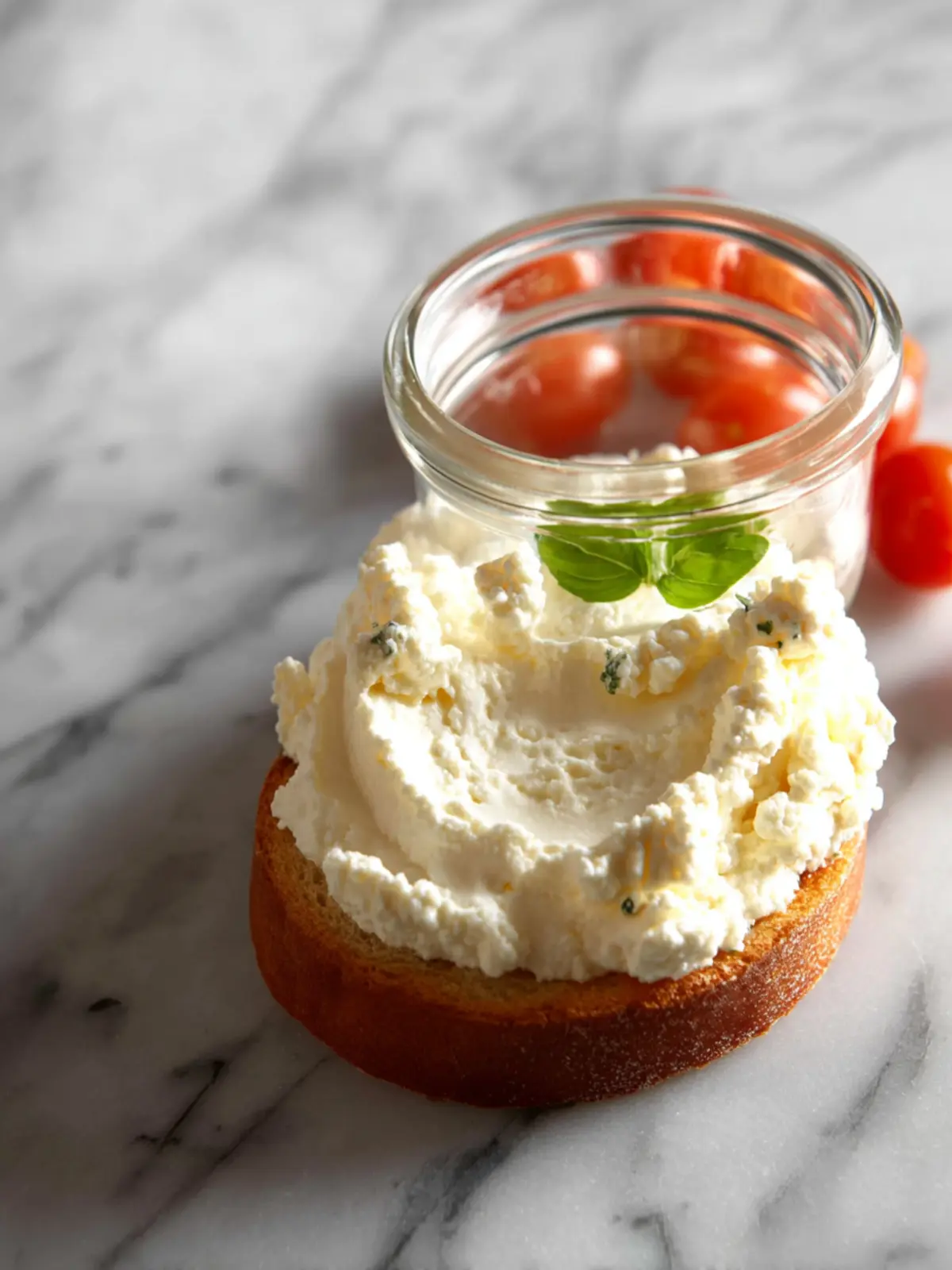
Serving Suggestions for Your Ricotta Cheese
Mastering how to make ricotta cheese opens a world of delicious possibilities, and I can’t wait to share some exciting ideas! Ricotta is incredibly versatile, and it can add a creamy texture and rich flavor to both savory and sweet dishes. Here are a few suggestions to elevate your culinary creations with ricotta cheese:
Spread it on Toast
Start your morning right by spreading fresh ricotta on toasted artisan bread. Top it with seasonal fruits, a drizzle of honey, and a sprinkle of nuts like pistachios or almonds. It’s a simple yet divine breakfast option that feels indulgent without the guilt.
Elevate Pasta Dishes
Use ricotta as a hero ingredient in pasta dishes. Whether it’s stuffed ravioli, lasagna, or a simple spaghetti, dollops of ricotta can enhance creaminess and flavor. Try tossing it with fresh herbs, garlic, and a touch of olive oil for a simple sauce!
Add to Salads
Incorporating ricotta into salads can transform a light meal into a satisfying dish. Pair it with fresh greens, roasted cherry tomatoes, and a balsamic glaze. The ricotta adds a delightful creaminess that balances the textures.
Sweet Treats
Don’t forget about dessert! Ricotta shines in cheesecakes or mixed into pancakes for fluffy, delicious stacks. You can also blend it with cocoa powder and maple syrup for a quick and wholesome sweet dip for fruits.
Each of these ideas showcases how versatile your homemade ricotta cheese can be, making it a staple you’ll love to have on hand!
Time Breakdown for Making Ricotta Cheese
Creating your own ricotta cheese at home is an enriching experience, one that transforms simple ingredients into something wonderfully creamy and fresh. The process isn’t time-consuming, and here’s how it breaks down:
Preparation Time
Before diving in, you’ll want about 10 minutes to gather your ingredients and tools. This ensures everything is ready for a smooth cooking session.
Cooking Time
The actual cooking takes about 25 minutes. You’ll watch as the milk gently warms and curds begin to form. It’s a delightful transformation!
Draining Time
Once the curds have formed, allow them to drain for about 30 minutes. This is when the magic happens—thickening into that perfect texture.
Total Time
In just over an hour (approximately 1 hour and 15 minutes), you can enjoy the satisfaction of knowing how to make ricotta cheese from scratch! Get ready to savor the freshest ricotta you’ve ever tasted.
Nutritional Facts for Ricotta Cheese
When diving into the creamy world of ricotta cheese, understanding its nutritional profile can help you make informed choices while cooking. It’s not just about flavor; it’s about nourishment too.
Calories
A typical serving of ricotta cheese (about 1/2 cup) contains approximately 300 calories. This makes it a creamy yet versatile addition to various dishes, from savory to sweet.
Protein
Ricotta cheese stands out for its protein content, boasting around 14 grams per serving. This makes it an excellent choice for those looking to increase their protein intake in a delicious way.
Fat
With about 20 grams of fat per serving, ricotta cheese offers a rich, creamy texture. However, it’s important to note that most of the fat is unsaturated, which is the healthier type.
Incorporating homemade ricotta cheese into your meals not only elevates their flavor but also boosts your nutritional intake. When you learn how to make ricotta cheese, you’re giving your meals a delightful, healthy twist.
FAQs about Making Ricotta Cheese
Crafting your own ricotta cheese at home is an exciting culinary adventure that not only enables you to enjoy fresh cheese but also adds a personal touch to your cooking. If you’re curious or have questions about the ins and outs of this delightful cheese-making process, you’ve come to the right place! Let’s clear up some common queries.
Can I use low-fat milk instead of whole milk?
While whole milk provides the creamiest texture and richest flavor, you can experiment with low-fat milk. Just keep in mind that the flavor might be a bit less pronounced, and the texture might not be as creamy. If you love that classic ricotta richness but want to reduce fat, consider using a blend of whole and low-fat milk for a happy medium.
How long does homemade ricotta last?
Homemade ricotta can be enjoyed for up to five days when stored in an airtight container in the refrigerator. To keep it fresh for longer, make sure to seal it well. Just a quick tip: always use a clean utensil to scoop out the cheese to avoid introducing bacteria.
What dishes can I use ricotta cheese in?
The versatility of ricotta cheese makes it a fantastic ingredient! You can include it in:
- Pasta dishes, like lasagna or stuffed shells
- Breakfast options, such as pancakes or on toast with honey
- Creamy desserts like cheesecake and cannoli
- Savory dishes, like savory tarts or combined in dips
Discovering new uses for your homemade ricotta will surely spark creativity in your cooking! So, grab your ingredients and get ready to enjoy this blissful cheese.
Conclusion on Making Ricotta Cheese
In your culinary journey, making ricotta cheese can be a delightful and rewarding experience. The process reveals the beauty of simplicity, highlighting how just a few ingredients can transform into something extraordinary. Once you’ve mastered the technique, you’ll find countless ways to use your homemade ricotta, whether it’s in rich lasagnas, creamy pastas, or simply spread on warm bread. Don’t hesitate to experiment with flavors and pairings; your unique touch will make each batch special. Embrace the joy of creating ricotta cheese, and you’ll find it truly enhances your cooking repertoire and impresses friends and family alike!
Print
Homemade Ricotta Cheese
- Total Time: 2 hours 25 minutes
- Yield: 2 cups 1x
- Diet: Vegetarian
Description
A simple recipe to make fresh ricotta cheese at home.
Ingredients
Scale
- 4 cups whole milk
- 2 cups heavy cream
- 1/4 cup fresh lemon juice
- 1 1/2 – 2 teaspoons sea salt
Instructions
- Pour the milk and cream into a large stock pot. Place over high heat and bring to a boil. The moment the milk comes to a boil, remove it from the burner.
- Stir in the lemon juice and salt. (I like my fresh ricotta cheese salty and use 2 teaspoons of sea salt, but use less if you like.) Allow the mixture to sit and curdle for 10 minutes.
- Meanwhile, place a large sieve over a large bowl. Line the sieve with 3-4 layers of cheese cloth. Pour the curdled milk into the prepared sieve and wait.
- Allow the ricotta to drain, separating the curds and whey, for about two hours. Then scoop the thickened ricotta into an airtight container and refrigerate until ready to serve.
Notes
- For a creamier texture, you can opt for 2 teaspoons of sea salt.
- Ensure to use cheese cloth to avoid losing curds during the draining process.
- Prep Time: 15 minutes
- Cook Time: 10 minutes
- Category: Cheese
- Method: Stovetop
- Cuisine: Italian
Nutrition
- Serving Size: 1/4 cup
- Calories: 150
- Sugar: 1 g
- Sodium: 100 mg
- Fat: 11 g
- Saturated Fat: 7 g
- Unsaturated Fat: 3 g
- Trans Fat: 0 g
- Carbohydrates: 4 g
- Fiber: 0 g
- Protein: 7 g
- Cholesterol: 30 mg