Follow Me On Social Media!


Colonial Spoon Bread: The Best Creamy Comfort Food You’ll Love

Introduction to Colonial Spoon Bread
Colonial spoon bread is a dish steeped in history, evoking the warmth and comfort of early American kitchens. Imagine a time when families gathered around a simple wooden table, savoring the aroma of fresh corn bread wafting through the air. This delightful dish combines the nuttiness of cornmeal with a custard-like texture, creating a unique blend that has resonated with generations. Whether as a side to a hearty stew or a fluffy breakfast option, colonial spoon bread offers both nostalgia and satiation.
What is Colonial Spoon Bread and Why It’s a Comforting Dish?
At its core, colonial spoon bread is a baked cornmeal dish that originated in the 17th century, showcasing the availability of corn in the New World. The recipe itself is remarkably straightforward, requiring just a handful of ingredients that work harmoniously to create a comforting, creamy result. The beauty of spoon bread lies in its versatility; it can be served warm and dripping with butter, accompanied by honey, or simply enjoyed on its own.
A few reasons why this dish embodies comfort:
-
Nourishing Ingredients: The primary component, cornmeal, is not only filling but also a staple food that sustains many. When combined with eggs and milk, it creates a soft, satisfying texture that warms the belly.
-
Shared Tradition: Spoon bread has a communal aspect to it. Traditionally served in one large bowl, it encourages sharing and connection. The act of spooning out portions brings family and friends together, sparking conversations and laughter.
-
Simple Preparation: Cooking should be enjoyable, not a chore. With its uncomplicated preparation, colonial spoon bread invites even the most novice of cooks to participate in the kitchen. The ease of mixing the ingredients and placing them in the oven adds to the charm, allowing you to focus on the experience rather than the stress.
-
Delightful Variations: There’s room for creativity! You can add cheese for a savory touch, herbs for freshness, or even a touch of spice for excitement. With such a broad canvas, each iteration can tell its own story.
Whether you’re revisiting family traditions or trying this dish for the first time, colonial spoon bread brings with it an essence of comfort that resonates across generations. Indulging in a slice is more than just a meal; it’s an invitation to connect with history and with those around you.

Key Ingredients for Colonial Spoon Bread
Colonial spoon bread is a delightful dish that reflects the comforting essence of early American cooking. Rooted in tradition, this recipe thrives on a delicate balance of texture and flavor, creating a dish that’s perfect for gatherings or a cozy night in. Let’s dive into the key ingredients that make colonial spoon bread a beloved classic.
-
Cornmeal: This is the star of the show! I prefer using fine yellow cornmeal for a smooth and creamy texture. It imparts a slightly sweet flavor that pairs beautifully with other ingredients.
-
Milk: Fresh whole milk is ideal, as it adds creaminess and moisture. In a pinch, you can substitute with a plant-based milk, but the flavor might shift a bit.
-
Eggs: Lightly beaten eggs bring richness and act as a binding agent, helping to achieve that wonderful custard-like texture.
-
Butter: Melted butter not only enhances flavor but also contributes to a rich consistency. I like to mix some into the batter and reserve a bit to drizzle on top before baking for a golden finish.
-
Baking Powder: This ingredient is crucial for leavening, giving the spoon bread the rise it needs to be fluffy.
-
Salt: A pinch of salt is essential to balance the sweetness of the cornmeal and elevate all the flavors.
With these simple yet effective ingredients, you’re well on your way to crafting an unforgettable colonial spoon bread that celebrates historical flavors with every bite.
Why You’ll Love This Recipe
Colonial spoon bread is not just another side dish; it’s a warm, comforting hug from the past that brightens up any meal. Imagine gathering around the dinner table with family and friends, laughter mingling with the savory aroma of freshly baked spoon bread wafting through the air. This recipe connects us to our culinary roots, evoking a sense of tradition that many of us cherish.
What makes this dish truly special? The creamy, custard-like texture derived from a blend of cornmeal and milk creates an inviting, fluffy experience that pairs beautifully with savory entrees like fried chicken or stews. You can even enjoy it sweetened with a drizzle of honey or maple syrup for breakfast.
- Easy to prepare: This recipe requires just a handful of ingredients, meaning you won’t spend hours in the kitchen.
- Versatile flavor profiles: Whether you prefer it savory or sweet, you can easily customize this dish to fit your taste.
Plus, it’s a fantastic way to impress your guests—who wouldn’t be charmed by a homemade dish steeped in history? So, roll up your sleeves and dive into this delightful colonial spoon bread recipe that’s perfect for any occasion!
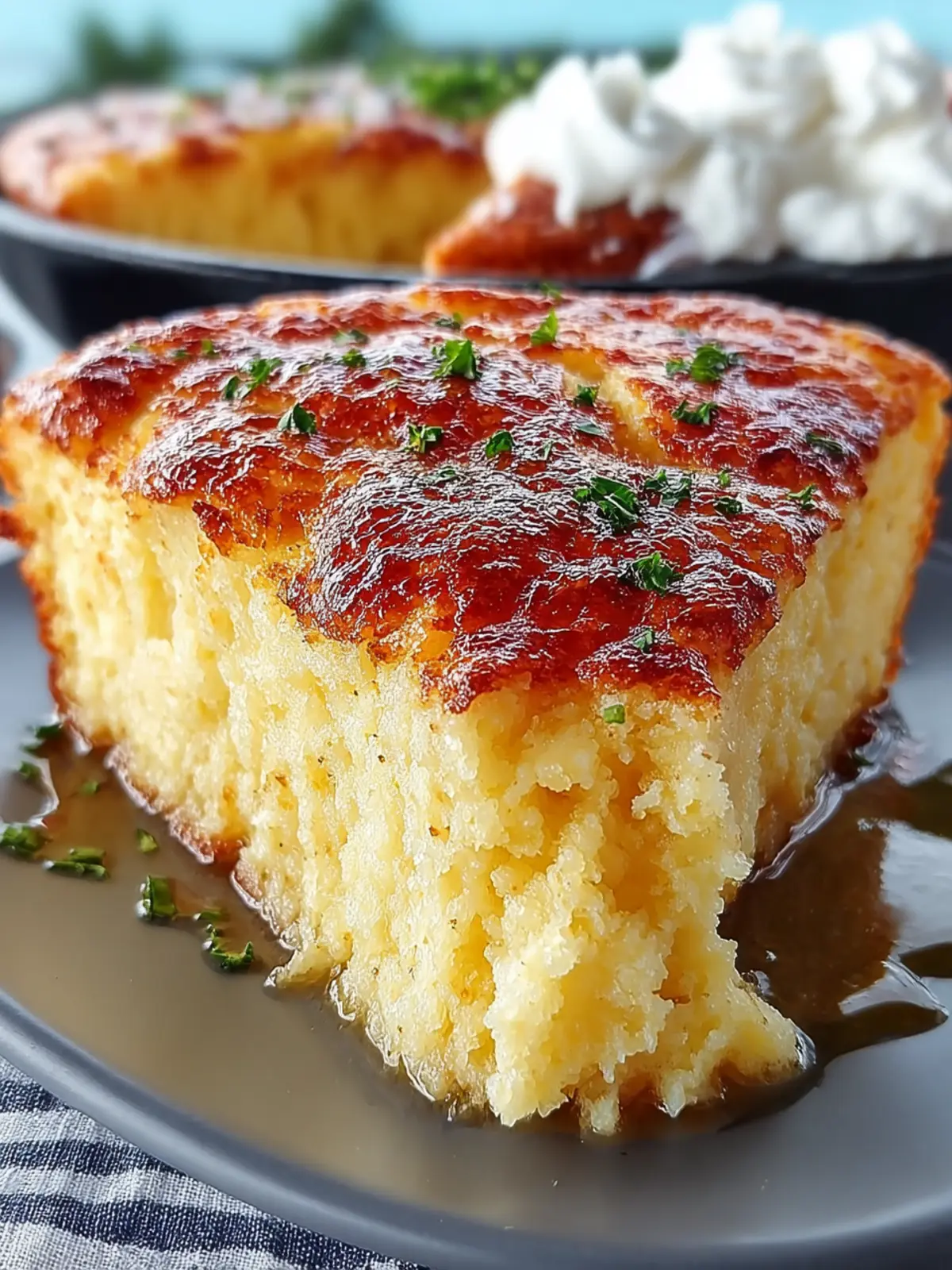
Variations of Colonial Spoon Bread
Exploring the world of colonial spoon bread can take you on a delightful culinary journey. While the traditional recipe is a comforting staple, many home cooks have created exciting variations that add a modern twist to this classic dish.
Sweet Versions
- Maple Syrup Addition: For those who enjoy a hint of sweetness, consider drizzling in some maple syrup. It complements the cornmeal beautifully, creating a delightful caramelized crust.
- Blueberry Spoon Bread: Adding fresh or frozen blueberries not only brightens the dish visually but also adds flavor and a vibrant acidity that balances the richness of the cornmeal.
Savory Twists
- Cheesy Spoon Bread: Mixing in shredded cheese—like sharp cheddar or a creamy gouda—makes for a fantastic savory option. The melted cheese adds a delightful gooey texture that pairs perfectly with the dish’s softness.
- Herbed Variations: Fresh herbs like chives, rosemary, or thyme can be stirred into the batter for an aromatic experience. This is an excellent way to transform the dish into a comforting side for roasted meats or hearty stews.
Every bite of colonial spoon bread, whether sweet or savory, tells a story of innovation and tradition, making it a kitchen classic worth exploring.
Cooking Tips and Notes for Colonial Spoon Bread
Crafting colonial spoon bread is like stepping back in time, embracing traditions that have lingered through generations. The process offers both simplicity and an opportunity to connect with culinary history. Here are some tips to ensure your spoon bread turns out to be a delightful dish that pays homage to its roots.
Choosing the Right Cornmeal
- Opt for coarse or medium grind cornmeal for that authentic texture. Fine cornmeal can lead to a gummy consistency that detracts from the unique qualities of spoon bread.
- If you can find stone-ground cornmeal, it’ll add even more depth of flavor and a rustic feel.
Perfecting the Consistency
- The batter for colonial spoon bread should be thicker than pancake batter but thinner than cookie dough. This ensures it cooks evenly and provides that delightful spoonable texture. Keep an eye on your measurements to achieve this balance.
Mixing Technique Matters
- When combining your ingredients, fold the wet into the dry gently. Overmixing can cause the bread to become tough—a light hand will yield a fluffier final product.
Baking Tips
- Preheat your oven adequately; a hot oven helps create that lovely crust on the top of the bread.
- Consider using a cast-iron skillet, as it retains heat well and creates a delightful golden crust.
By following these tips, you will not only make colonial spoon bread, but you will also savor the satisfaction of preserving a piece of culinary history, all while enjoying a delicious dish that’s perfect for any gathering.
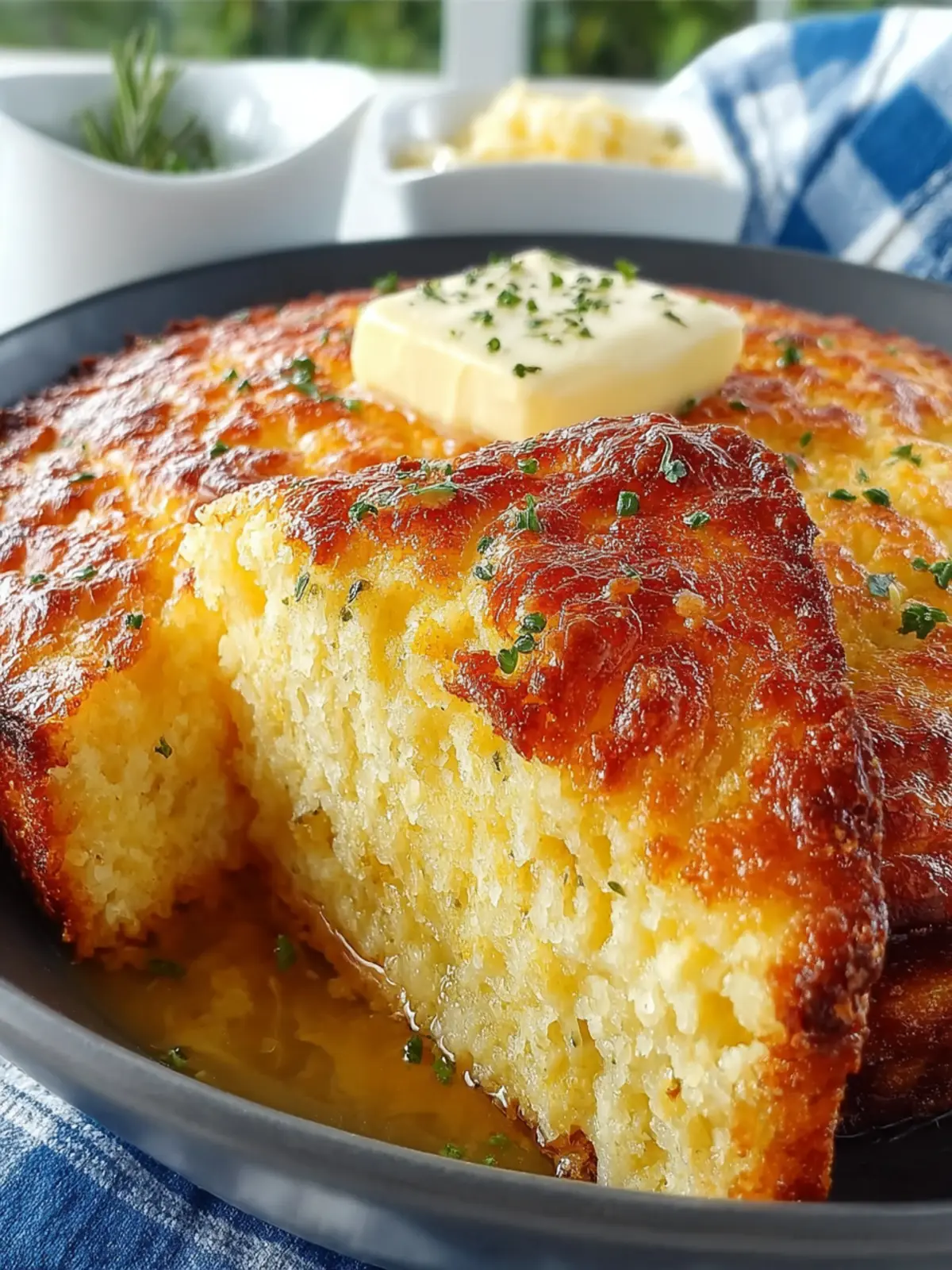
Serving Suggestions for Colonial Spoon Bread
Imagine gathering around the dining table, the savory aroma of freshly baked colonial spoon bread enveloping your senses. This delightful dish celebrates comfort and nostalgia, making it a perfect partner for an array of meals.
Pairing Ideas
-
Soups and Stews: Serve your colonial spoon bread alongside hearty classics like chicken or vegetable stew. Its fluffy texture complements the rich, savory broth beautifully.
-
Roasted Meats: Whether it’s a succulent roast chicken or a savory beef brisket, spoon bread can soak up those delicious juices, enhancing every bite.
-
Vegetable Sides: Pair it with roasted vegetables or a fresh salad for a balanced meal. Think of sautéed greens or a tangy coleslaw to provide a vibrant contrast.
Breakfast Treat
Don’t overlook colonial spoon bread for breakfast. Try topping it with a drizzle of honey or a dollop of berry jam for a sweet twist on your morning meal.
With these tips in hand, you’re ready to elevate your culinary experience with colonial spoon bread!
Time Breakdown for Colonial Spoon Bread
Cooking colonial spoon bread is not only about savoring tradition; it’s also about efficiently managing your time in the kitchen. Here’s how you can breakdown the time required for this delightful dish:
Preparation Time
Setting up for your colonial spoon bread will take about 20 minutes. This includes gathering your ingredients, mixing them, and getting everything ready to bake.
Baking Time
Once your mixture is prepped, let your oven do the work! Baking the colonial spoon bread takes approximately 30 minutes. You’ll know it’s ready when it’s golden brown and a toothpick inserted in the center comes out clean.
Total Time
Bringing it all together, your total time for making colonial spoon bread will be around 50 minutes. Just think: in less than an hour, you’ll have a warm, comforting dish that echoes the flavors of yesteryear!
Nutritional Facts for Colonial Spoon Bread
Exploring the Colonial Spoon Bread is not just a culinary journey; it also opens a window into its nutritional benefits. Understanding the nutritional profile can help you enjoy this comforting dish more thoughtfully.
Calories
A serving of colonial spoon bread contains approximately 180 calories. This makes it a moderate choice to complement your meal without overwhelming your daily caloric intake.
Protein
You’ll find about 5 grams of protein in each serving. While it may not be a protein powerhouse, it contributes to your overall intake, especially when paired with richer proteins like meats or beans.
Sodium
With around 300 milligrams of sodium, this dish is relatively balanced but still should be enjoyed mindfully, particularly if you’re watching your sodium intake.
This delightful recipe combines taste and nutrition, making it a great option for family dinners or gatherings.
FAQs about Colonial Spoon Bread
Delving into the world of colonial spoon bread can feel like opening a door to a cozy kitchen from yesteryears, where warm, fluffy servings were ladled onto plates, often accompanied by good company. Here, we’ve compiled some of the most common questions to ensure your journey into this delightful dish is as smooth as its texture.
Can I make Colonial Spoon Bread ahead of time?
Absolutely! Colonial spoon bread can be prepared in advance for your convenience. You can mix the batter the night before and refrigerate it. Just give it a light stir before pouring it into your baking dish and popping it in the oven the next day. However, for the freshest flavor and texture, it’s best enjoyed soon after baking.
What can I serve with Colonial Spoon Bread?
This dish offers incredible versatility and pairs wonderfully with various foods. Consider serving it alongside:
- Savory dishes: Pair it with your favorite meats like grilled chicken, roasted pork, or beef stew for a satisfying meal.
- Vegetable sides: A fresh green salad or steamed veggies complement the warm, custardy texture beautifully.
- Soups: It’s perfect for dipping into hearty soups, especially a rich chowder or spicy chili.
How do I store leftover Colonial Spoon Bread?
If you have any leftover colonial spoon bread, store it in an airtight container in the refrigerator. It generally keeps well for about 3-4 days. When reheating, add a splash of milk to maintain its moistness and pop it in the microwave or oven until warmed through. This way, you can enjoy its fluffy goodness again!
Conclusion on Colonial Spoon Bread
In reflecting on colonial spoon bread, it’s evident that this dish offers more than just nourishment; it delivers a comforting taste of history. The blend of simple ingredients—cornmeal, milk, and eggs—creates a warm, inviting side that pairs perfectly with a hearty meal. Imagine serving this alongside savory meats or a robust stew; it effortlessly enhances the dining experience, fostering connection and conversation. Whether you’re exploring your culinary roots or introducing friends to a traditional dish, colonial spoon bread is a delightful recipe to share. Embrace its rich heritage and let it invite stories around your dining table.
Print
Cornmeal Bake
- Total Time: 50 minutes
- Yield: 6 servings 1x
- Diet: Vegetarian
Description
This cornmeal bake is a delicious and hearty dish, perfect for any meal.
Ingredients
Scale
- 1 cup cornmeal
- 2 cups milk
- 2 tablespoons butter
- 2 large eggs
- 1/2 teaspoon salt
Instructions
- In a saucepan, heat milk over medium heat until it begins to simmer.
- Gradually whisk in the cornmeal, stirring constantly to avoid lumps.
- Continue stirring and cooking until the mixture thickens, about 5–7 minutes.
- Remove from heat and stir in butter and salt until well blended.
- Let the mixture cool slightly. Beat in eggs one at a time until fully incorporated.
- Pour the mixture into a greased baking dish.
- Bake at 375°F (190°C) for 35–40 minutes or until golden and set in the center.
- Serve warm straight from the dish.
Notes
- This dish can be served as a main course or a side dish.
- For additional flavor, consider adding cheese or herbs.
- Prep Time: 10 minutes
- Cook Time: 40 minutes
- Category: Main Dish
- Method: Baking
- Cuisine: American
Nutrition
- Serving Size: 1 piece
- Calories: 200
- Sugar: 3g
- Sodium: 150mg
- Fat: 9g
- Saturated Fat: 5g
- Unsaturated Fat: 4g
- Trans Fat: 0g
- Carbohydrates: 25g
- Fiber: 2g
- Protein: 6g
- Cholesterol: 100mg