Follow Me On Social Media!

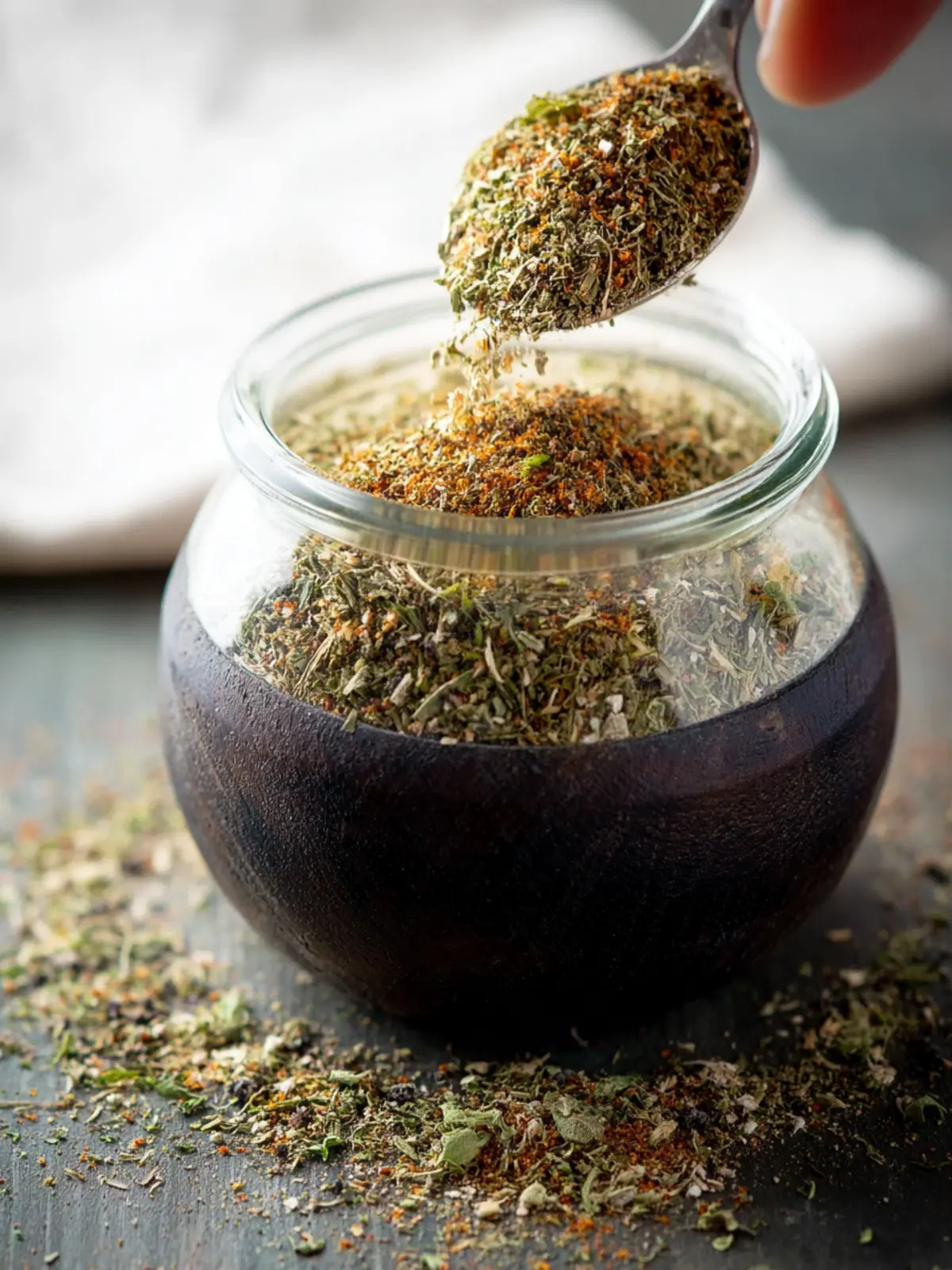
Homemade Italian Seasoning: The Best Blend You’ll Ever Make

Introduction to Homemade Italian Seasoning
Embarking on a culinary journey to create your own homemade Italian seasoning is easier than you might think, and the rewards are delectable. Imagine bringing the vibrant flavors of Italy right into your kitchen, filling your house with tantalizing aromas that remind you of sun-soaked countryside. Homemade seasoning blends not only evoke nostalgia but also give your dishes a unique touch that store-bought versions can rarely match.
Why Make Your Own Italian Seasoning?
Crafting your own homemade Italian seasoning allows you to tailor the blend to your personal taste. Have you ever wondered why some dishes just sing with flavor while others fall flat? Often, it’s about the quality and freshness of the ingredients. By making your own blend, you can choose premium herbs, ensuring every time you sprinkle it over a dish, you experience that burst of freshness. Plus, you have the freedom to adjust proportions to match your preferences. For instance, if you adore basil’s aromatic notes, you can add a little extra without compromising the blend.
Let’s consider the practicality of your own Italian seasoning as well. Store-bought options often include preservatives and anti-clumping agents, neither of which is necessary in your home kitchen. Plus, it’s a budget-friendly option. Instead of constantly purchasing small containers of multiple herbs, you can stock up on bulk ingredients and create your blend that lasts for months.
Not only is making your own seasoning a great way to ensure quality and freshness, but it is also an excellent opportunity to experiment with flavors. You might find that adding a pinch of crushed red pepper or switching out oregano for thyme opens up entirely new culinary avenues. The process is not just about seasoning; it’s about expressing your personal style in the kitchen.
Incorporating homemade Italian seasoning into your cooking repertoire will allow you to whip up flavorful pastas, savory pizzas, or luscious sauces with ease. So, let’s dive into the recipe and take your Italian cooking to the next level!
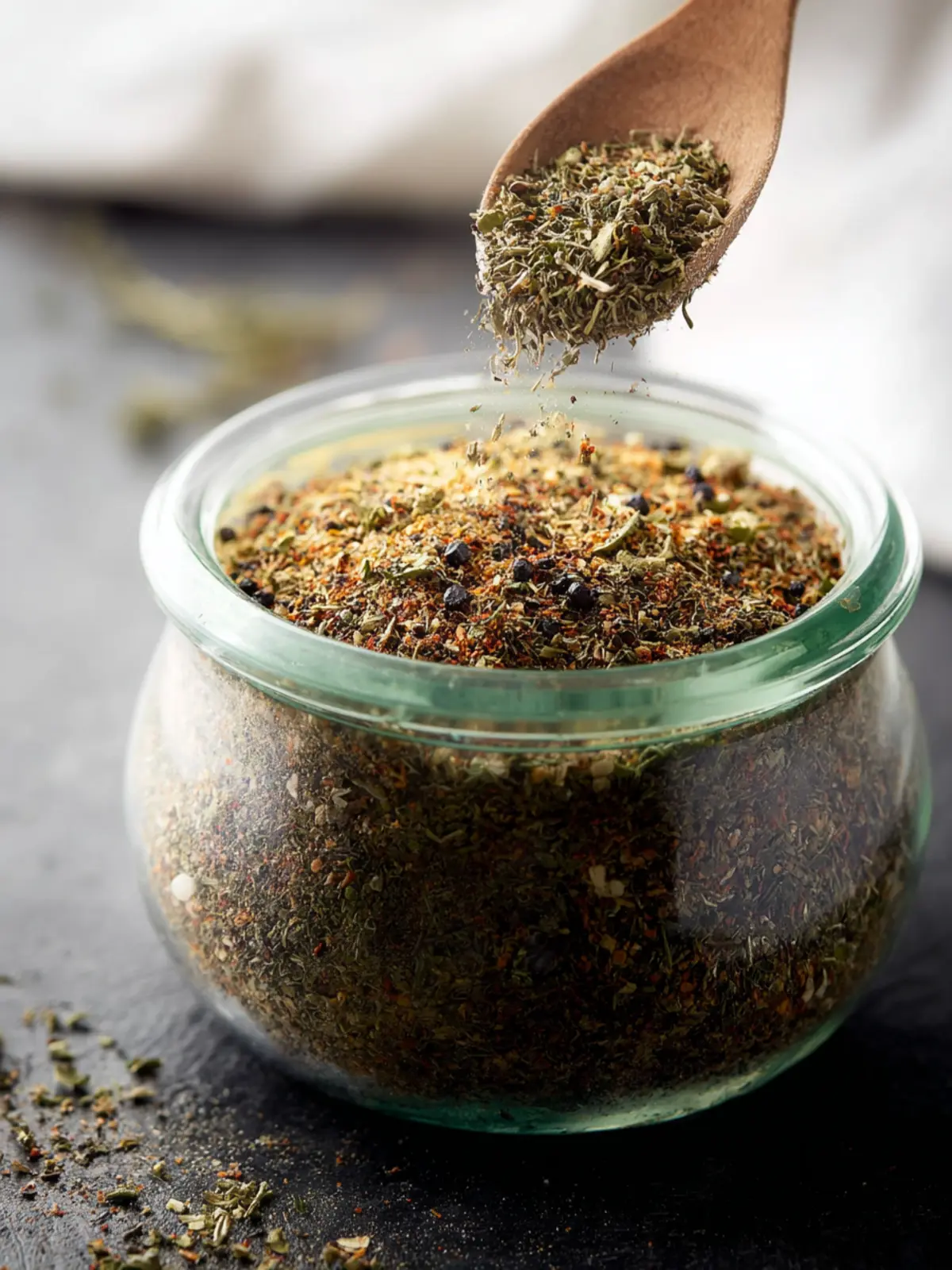
Key Ingredients for Homemade Italian Seasoning
Creating your own homemade Italian seasoning is a delightful journey into the heart of Italian cuisine. With just a few simple ingredients, you can elevate your dishes and infuse them with rich, aromatic flavors that remind you of sunny Mediterranean afternoons. Let’s explore the essential components that make this seasoning a must-have in your kitchen.
-
Dried Oregano: This herb is the backbone of Italian seasoning, offering earthy notes that pair beautifully with tomatoes and meat. Opt for high-quality dried oregano for an intense burst of flavor.
-
Basil: Sweet and fragrant, basil adds a lovely touch of brightness to your seasoning. Whether you’re making marinara sauce or a fresh caprese salad, basil is key to capturing that authentic Italian taste.
-
Thyme: With its subtle peppery flavor, thyme complements the more dominant herbs while adding depth and complexity. It’s perfect for stews and roasted vegetables.
-
Rosemary: This fragrant herb has a bold flavor that pairs excellently with meats, particularly lamb and chicken. A little rosemary goes a long way in giving your dishes that rustic touch.
-
Garlic Powder: While fresh garlic is irreplaceable, garlic powder provides convenience and a milder flavor that integrates smoothly into your seasoning blend.
Mixing these ingredients together, you establish a harmonious blend that brings Italian flair to any dish. So, next time you need homemade Italian seasoning, you’ll know just what to reach for!
Why You’ll Love This Recipe
Creating homemade Italian seasoning is not just about mixing herbs; it’s a joyful culinary journey that revives cherished memories of family dinners and Italian kitchens filled with the warm aroma of spices. Imagine walking into your home and being enveloped by a fragrant blend of basil, oregano, and thyme—each ingredient whispering stories from sunny Mediterranean gardens.
Versatility at Its Best
With this homemade Italian seasoning, you’ll find that it’s not limited to just one type of dish. From sprinkling it on roasted vegetables to using it in sauces for your pasta, this blend effortlessly enhances flavors. Feeling adventurous? Toss it into your marinades or salad dressings for an exciting twist that creates unforgettable meals.
Quality Control
Another reason to fall in love with this seasoning mix is the ability to control what goes into it. By crafting your own blend, you’re choosing high-quality, organic ingredients—no preservatives or additives here! It’s a way to connect to your health and taste preferences intimately.
Economical and Gift-Worthy
Making this seasoning at home is budget-friendly and a fabulous gift. Package it in a cute jar tied with a ribbon, and you’ve created a delightful present for your foodie friends. Trust me, once you start using your homemade Italian seasoning, you’ll wonder how you ever cooked without it!
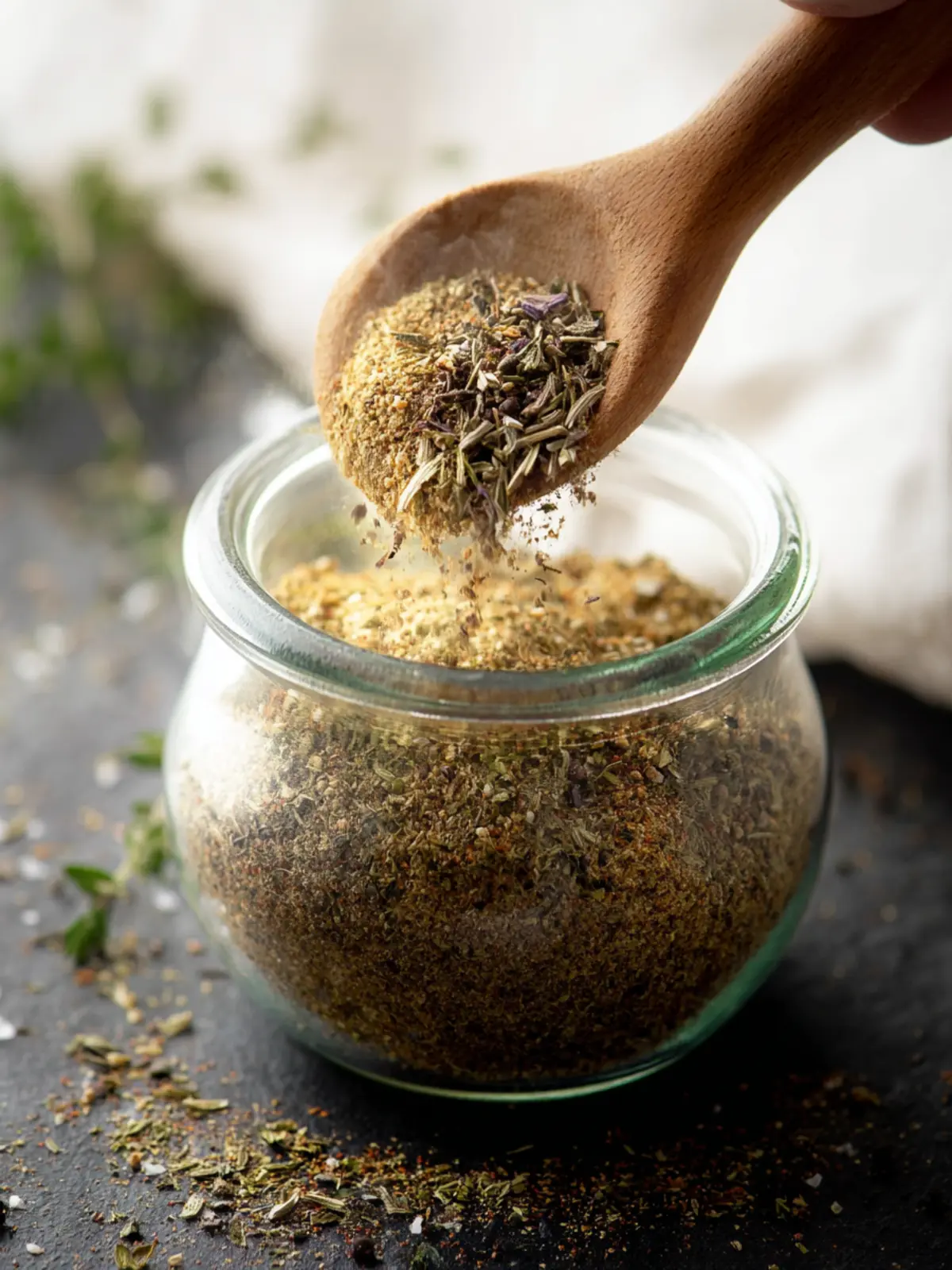
Variations on Homemade Italian Seasoning
Crafting your own homemade Italian seasoning is a delightful adventure, allowing you to tailor flavors that resonate with your personal taste. Imagine walking through an Italian garden, with scents of fresh herbs wafting through the air. Here are a few variations to consider as you explore the warm depths of Italian cuisine.
Infused Herby Blends
-
Add Fresh Herbs: If you have fresh herbs lying around, feel free to substitute or add basil, parsley, or oregano for a vibrant twist. Just remember that dried herbs are more concentrated, so you’ll want to balance the quantities accordingly.
-
A Touch of Heat: For those who enjoy a bit of kick in their dishes, consider incorporating red pepper flakes or crushed chili peppers. This simple addition can elevate your homemade Italian seasoning to new, fiery heights.
Unique Flavor Profiles
-
Savory Garlic Twist: Elevating your blend with garlic powder or dehydrated garlic adds a savory depth that can beautifully complement meats and sauces. It’s ideal for those who love that aromatic flair in their cooking.
-
Citrusy Zing: Lemon zest or dried lemon peel can lighten up your homemade Italian seasoning. The bright, citrus notes will brighten pasta dishes and marinades alike, giving each meal a refreshing lift.
Experimenting with these variations not only personalizes your blend but also enhances your culinary creations. Embrace the process, and let your kitchen be a playground for flavor!
Cooking Tips and Notes
Creating homemade Italian seasoning can be a truly rewarding experience. Each herb brings its own character to the blend, transforming any dish into a culinary masterpiece. Let’s dive into some tips and notes to elevate your seasoning game!
Mastering the Ingredients
- Dried Herbs: Opt for high-quality dried herbs like basil, oregano, and thyme. They provide robust flavor that fresh herbs can’t match. Ensure they’re not expired for optimal taste.
- Adjusting Ratios: Feel free to tweak the ratios of the herbs based on your personal preferences. If you love the pungency of garlic, increase the garlic powder for an extra kick.
Storage Tips
- Keep it Fresh: Store your homemade Italian seasoning in an airtight container away from sunlight to preserve its flavor. A dark, cool pantry is ideal.
Application Ideas
- Versatile Use: This seasoning isn’t just for Italian dishes. Sprinkle it on roasted vegetables, grilled meats, or even toss it into soups for an added depth of flavor. Experiencing the diverse applications can inspire creativity in your kitchen.
Making Larger Batches
- Batch Prepping: Making a larger quantity saves time, so you can whip up delicious meals in a flash. Just remember to adjust your storage accordingly, and enjoy the ease of having this flavorful blend ready whenever you need it.
Once you master these tips, you’ll discover that making homemade Italian seasoning is not just a recipe—it’s an adventure in flavor!
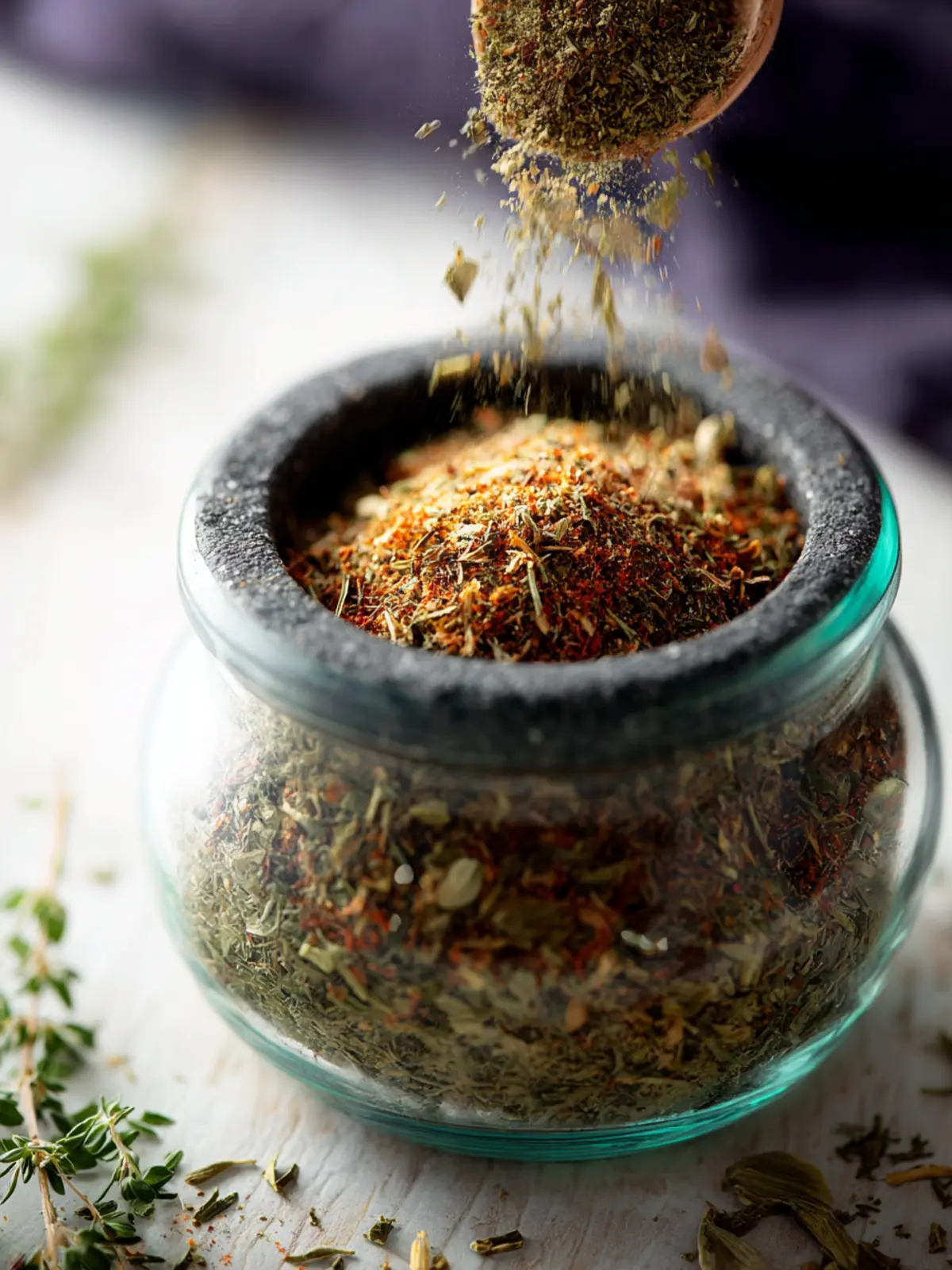
Serving Suggestions for Homemade Italian Seasoning
Transforming your everyday meals becomes effortless with homemade Italian seasoning. This aromatic blend can elevate even the simplest dishes, allowing you to experiment in the kitchen with minimal effort.
Perfect Pairings
- Pizza: Sprinkle this seasoning generously on your pizza before baking for that authentic Italian taste. It pairs wonderfully with tomato sauce and mozzarella.
- Pasta Dishes: Stir a teaspoon into your sauces while simmering. It’s particularly stunning in marinara or creamy Alfredo sauces.
- Roasted Vegetables: Toss your favorite seasonal vegetables in olive oil and a dash of your homemade Italian seasoning before roasting. The result? A flavorful, colorful side dish.
- Grilled Meats: Rub the seasoning on chicken, pork, or steak before grilling or roasting. The blend of herbs will create a savory crust and keep the meat juicy.
- Soups and Stews: Add a teaspoon or two to your soups for an aromatic lift. It works especially well in minestrone or vegetable soup.
With just a sprinkle, your homemade dishes will be infused with warmth and flavor, bringing a touch of Italy right to your kitchen table.
Time Breakdown for Preparing Homemade Italian Seasoning
Creating your own homemade Italian seasoning is not only satisfying but also a delightful way to elevate your dishes. Here’s a quick overview of how much time you’ll need to whip up this flavorful blend.
Preparation Time
Gathering the herbs for your homemade Italian seasoning takes about 5 minutes. This includes measuring out each ingredient so you have everything at hand.
Mixing Time
The mixing process is quick, taking around 5 minutes. Just combine the herbs in a bowl and give them a good stir—easy as pie!
Total Time
In total, you’ll need about 10 minutes from start to finish. That includes both preparation and mixing, making this an efficient addition to your culinary arsenal. Enjoy the convenience of having fresh flavors ready to sprinkle on your favorite meals!
Nutritional Facts for Homemade Italian Seasoning
Creating your own homemade Italian seasoning not only elevates your dishes but also gives you the peace of mind that comes from knowing exactly what you’re adding to your food. Let’s break down the nutritional aspects of this versatile blend so you can enjoy it guilt-free!
Calories
A typical serving of homemade Italian seasoning (about 1 teaspoon) contains approximately 5 calories, making it a low-calorie way to infuse rich flavor into your meals without adding unwanted calories.
Sodium
Homemade blends are fantastic because you control the sodium content. If you choose to make your seasoning without added salt, you’ll keep your sodium intake minimal, allowing you to flavor your dishes while being mindful of your health.
Essential Nutrients
Packed with herbs like basil, oregano, and thyme, your homemade Italian seasoning provides essential nutrients:
- Vitamin K: Great for bone health.
- Antioxidants: Found in herbs, they can help combat free radicals.
- Fiber: Aiding digestion, especially when added to meals rich in vegetables.
By opting for homemade Italian seasoning, you’re not just seasoning—you’re enriching your meals!
FAQ About Homemade Italian Seasoning
Creating your own homemade Italian seasoning can be a delightful adventure in flavor. It sparks a certain joy, especially when you control the ingredients. Here are some commonly asked questions to help guide your seasoning journey.
Can I use fresh herbs instead of dried?
Absolutely! If you have fresh herbs on hand, feel free to substitute them in your homemade Italian seasoning. Generally, you’ll need about three times the amount of fresh herbs compared to dried ones, as dried herbs are more concentrated in flavor. Just keep in mind that fresh herbs don’t store as well, so it’s best to use them promptly.
How can I customize the seasoning blend?
Crafting your own homemade Italian seasoning is all about personal taste. Here are a few ideas for customization:
- Add your favorites: Toss in a pinch of red pepper flakes for heat, or include herbs like tarragon or oregano for a unique twist.
- Reduce salt: If you’re watching your sodium intake, feel free to cut back on salt and let the herbs shine.
- Experiment with quantities: Adjust the ratios of basil, oregano, and thyme to suit your palate.
How do I store the seasoning for longevity?
To keep your homemade Italian seasoning fresh, store it in an airtight container away from heat and sunlight. A cool, dark pantry is ideal. It’s best to use it within six months for optimal flavor, but feel free to label your jars with dates as a reminder.
What are some dishes I can use this seasoning in?
The versatility of homemade Italian seasoning is one of its best features! Here are some dishes to elevate with your blend:
- Pasta sauces: A sprinkle can transform a simple marinara into a flavorful experience.
- Roasted vegetables: Toss veggies with olive oil and your seasoning for vibrant sides.
- Pizza: Add it to your crust or sauce for an extra punch of flavor.
Dive in and explore the aromas and tastes you create with your own homemade Italian seasoning!
Conclusion on Homemade Italian Seasoning
Creating your own homemade Italian seasoning is not just a fun kitchen project; it’s a journey into the heart of Italian cuisine. By blending aromatic herbs and spices, you unlock a world of flavors that can elevate your meals to new heights. This seasoning mix is versatile, making it an essential staple in any young professional’s kitchen. Whether you’re sprinkling it on pasta, tossing it with roasted vegetables, or using it to marinate meats, this blend lasts. Embrace the art of homemade Italian seasoning and watch as your dishes transform into flavorful Italian experiences that even your friends will rave about!
Print
Dried Herb Blend
- Total Time: 10 minutes
- Yield: makes approx. 1 cup
- Diet: Vegetarian
Description
A perfect blend of dried herbs to spice up your dishes.
Ingredients
Scale
- 2 tablespoons dried oregano
- 1 tablespoon dried marjoram
- 1 tablespoon dried basil
- 1 tablespoon dried thyme
- 2 teaspoons dried crushed rosemary
- 1 teaspoon dried sage
Instructions
- Set out a small bowl or jar.
- Measure and add all the dried herbs into the jar.
- Stir to mix.
- Cover and keep at room temperature.
Notes
- Store in a cool, dry place for best flavor.
- Prep Time: 10 minutes
- Category: Condiments
- Method: Mixing
- Cuisine: American
Nutrition
- Serving Size: 1 tablespoon