Follow Me On Social Media!

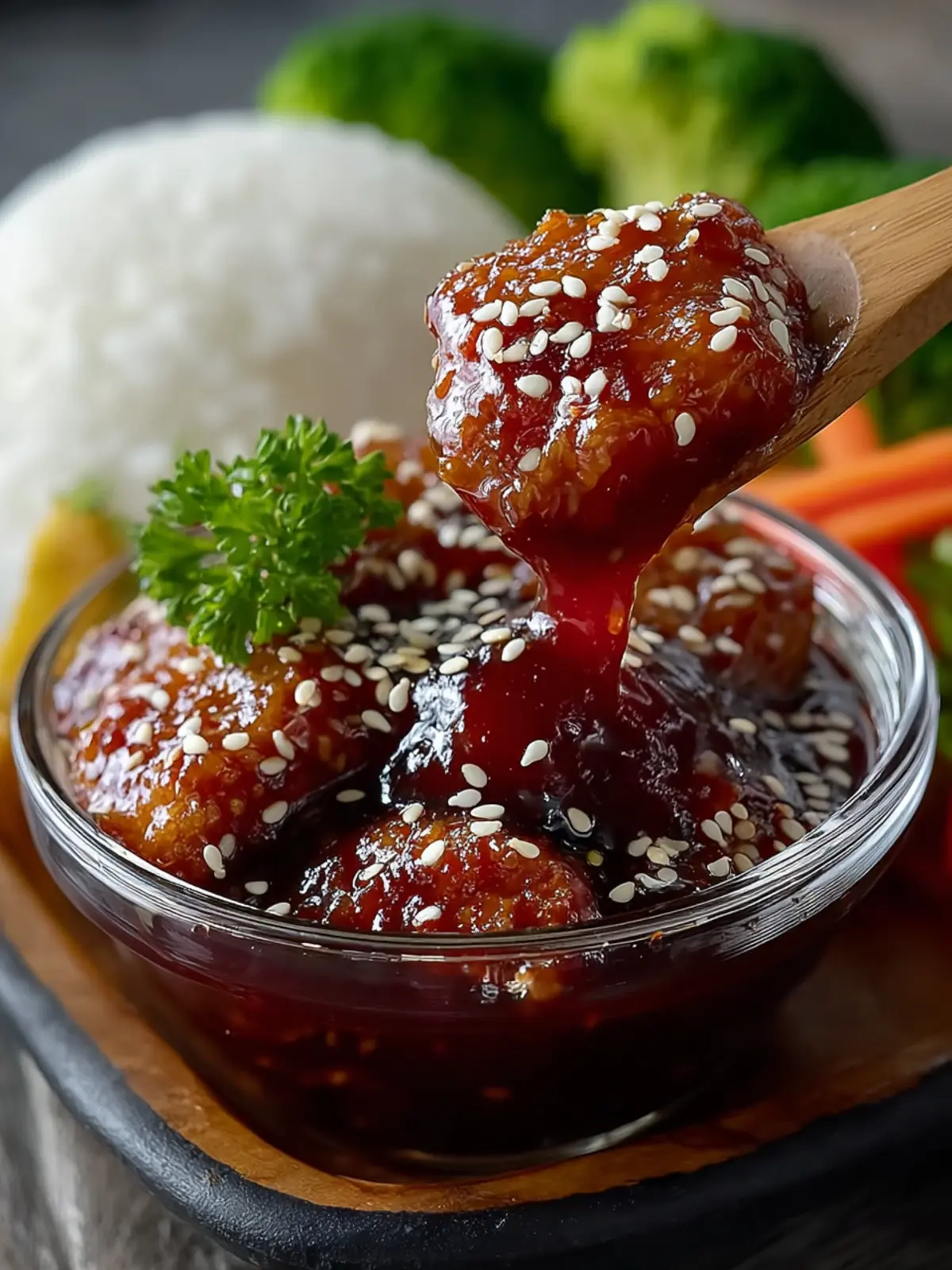
Homemade Hoisin Sauce Recipe: The Best Flavor Boost Ever!

Introduction to Homemade Hoisin Sauce Recipe
Embarking on the journey to create your own homemade hoisin sauce recipe is like stepping into a world where complex flavors dance in harmony. Picture this: a bustling Asian market infused with the fragrant aromas of soy, sesame, and a hint of sweetness. Each jar of store-bought hoisin sauce carries its own appeal, but nothing compares to the satisfaction of crafting your own sauce, tailored precisely to your taste.
What makes homemade hoisin sauce so special? First, it’s all about freshness and quality. By using wholesome ingredients, you can achieve a flavor that’s vibrant and alive, elevating your dishes from ordinary to extraordinary. Another bonus? You can tweak the ingredients to fit your dietary preferences or cravings. Whether you want a sweeter sauce or one with a little kick, the power to customize is in your hands.
Flavor Overload: Why Choose Homemade?
- Control: You dictate the sweetness, spiciness, and even the saltiness, ensuring that the end product is perfect for dipping or glazing.
- Fresh Ingredients: Unlike store-bought sauces that may contain preservatives, your homemade hoisin sauce will shine with the vitality of fresh ingredients.
- Creativity: Making your own sauce opens the door to experimentation. Want to add a hint of garlic or perhaps a splash of apple cider vinegar? Go for it!
When whipping up this sauce, imagine how it will complement your favorite dishes—stir-fries, marinades, or even as a dip for fresh spring rolls. The aroma will tantalize your taste buds as it simmers on the stove, and soon enough, you’ll find yourself dreaming up new recipes to use it in.
In the sections to follow, we’ll guide you through a simple yet delightful homemade hoisin sauce recipe that embodies all the warmth and joy of homemade cooking. Trust me, once you try this recipe, you won’t look back!
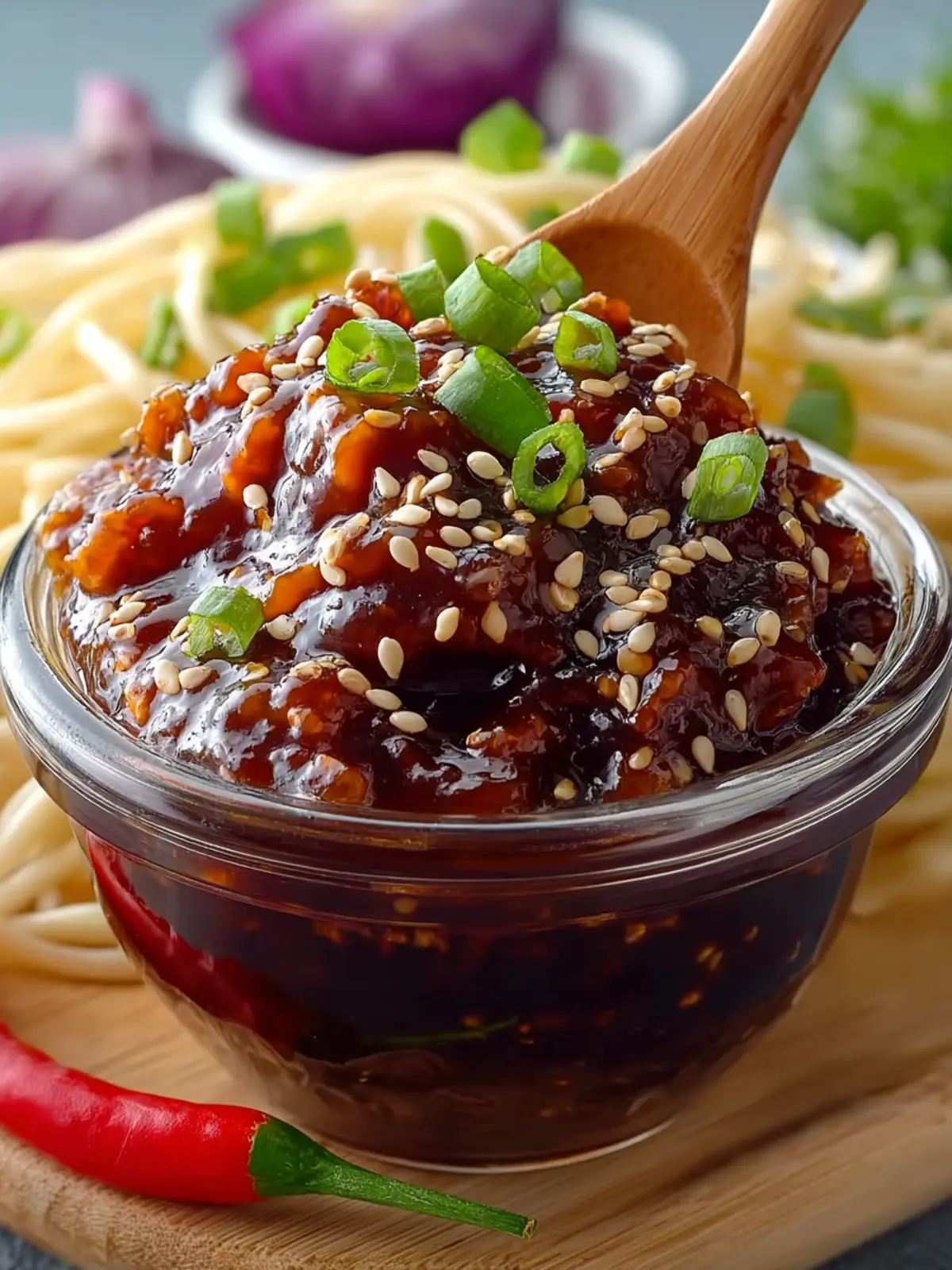
Key Ingredients for Homemade Hoisin Sauce
Creating the perfect homemade hoisin sauce is all about the right balance of ingredients that come together to create a rich, complex flavor. Here’s what you’ll need:
Soy Sauce
I use low-sodium soy sauce to control the salt content without sacrificing any flavor. It delivers that irresistible umami taste, making my sauce both savory and satisfying.
Peanut Butter
To introduce a creamy texture and a nutty richness, I always opt for natural peanut butter. It elevates the flavor profile of my hoisin sauce, setting it apart from store-bought versions.
Honey
As a natural sweetener, honey perfectly balances the saltiness of soy sauce. It also imparts delicate floral notes that deepen the sauce’s overall flavor, making it a standout condiment.
Rice Vinegar
This ingredient is essential for adding a touch of brightness and acidity to the sauce. I find that a splash of rice vinegar creates a well-rounded taste that complements the other flavors beautifully.
Sesame Oil
Just a little sesame oil goes a long way! Its nutty aroma enhances the sauce and provides that authentic Asian flavor that you simply can’t replicate.
Garlic Powder
A pantry staple, garlic powder contributes depth to the sauce. It enriches the overall profile without overpowering the other ingredients, making it a must-have.
Chinese Five Spice Powder
This intriguing blend introduces warmth and complexity to the sauce. Just a pinch can elevate the flavor, delivering an exciting twist with every use.
Sriracha or Hot Sauce
If you’re in the mood for a little extra heat, adding Sriracha or another hot sauce offers an exciting kick. It’s entirely up to your taste buds, but trust me, it’s oh-so-delicious!
Why You’ll Love This Homemade Hoisin Sauce
There’s something truly special about a homemade hoisin sauce recipe, and once you create your own version, you’ll find that store-bought options just can’t compete. Picture this: after a long day, you decide to whip up a quick stir-fry and reach for your homemade sauce. With just a few spoonfuls, it transforms your dish into a flavorful masterpiece that bursts with authenticity and warmth.
Crafting your own hoisin sauce opens up a world of culinary possibilities. By combining ingredients like soy sauce, peanut butter, and five-spice powder, you create a deliciously rich, umami-packed blend that perfectly complements everything from grilled meats to dipping sauces. The best part? You control the flavors and adjust them to your liking, making it as sweet, spicy, or savory as you prefer.
Not only is this sauce delightful and versatile, but it also cuts down on preservatives and artificial flavors typically found in store-bought varieties. Plus, it takes just minutes to prepare! Once you experience the vibrant taste of homemade hoisin sauce, you’ll be inspired to experiment with your cooking and impress your friends at your next dinner party. Let’s dive into the recipe that will elevate your home cooking like never before!
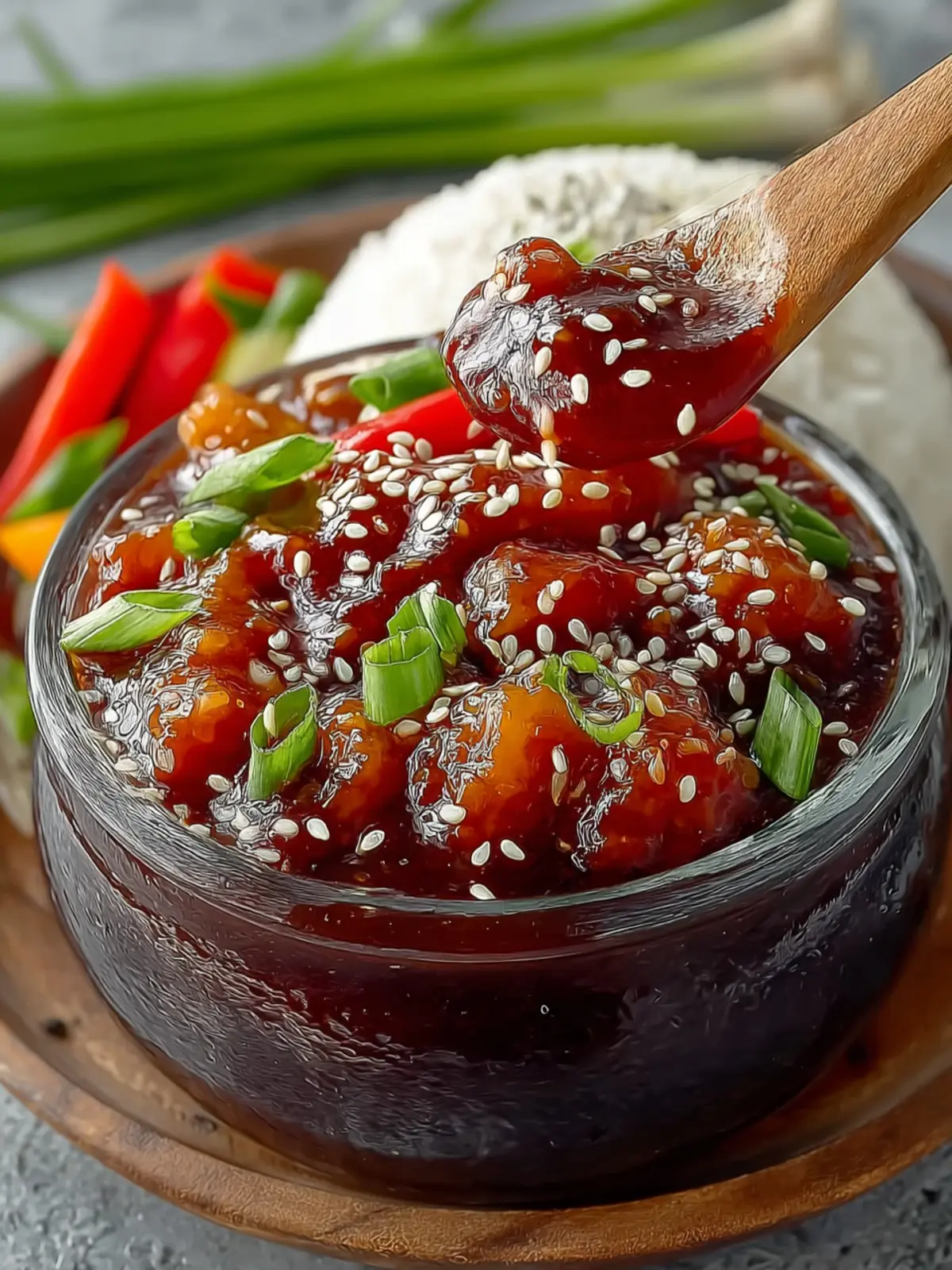
Variations of Hoisin Sauce
Exploring the world of homemade hoisin sauce opens up a myriad of delightful opportunities to customize this beloved condiment. While the traditional recipe offers a rich flavor, variations can enhance its versatility in your culinary creations.
Sweet and Spicy Twist
Adding a dash of sriracha or chili paste to your homemade hoisin sauce recipe can elevate its heat, making it perfect for those who crave a little extra kick. A balance of sweetness and spice creates a unique dipping sauce that works wonders for grilled meats or spring rolls.
Peanut Hoisin Sauce
If you love the nutty flavor of peanuts, incorporate peanut butter into your recipe. This variation yields a creamy texture, making it ideal for drizzling over salads or incorporating into noodle dishes. You can adjust the quantity according to how robust you want the peanut flavor.
Garlic-Infused Delight
For garlic lovers, infusing your homemade hoisin sauce with roasted or fresh garlic adds depth. Blending in garlic not only enhances the sauce’s aroma but also complements dishes like stir-fried vegetables or marinades.
Citrus Zest Addition
Brightening your hoisin sauce with zest, such as lime or orange, can provide a refreshing twist. This variation is particularly delightful in seafood dishes or as a marinade for grilled chicken, balancing the sweetness with acidity.
These variations are just a starting point; feel free to experiment and find your perfect blend!
Cooking Tips and Notes for Homemade Hoisin Sauce
When you embark on your homemade hoisin sauce recipe, you’ll discover that this star ingredient is not just a simple sauce but a rich tapestry of flavors that enhances your dishes. Here are some thoughtful tips to guide you along this delicious journey.
Quality of Ingredients Matters
-
Soy Sauce: Opt for a premium brand for a deeper umami flavor. The quality of soy sauce can significantly impact the taste of your hoisin sauce, giving it that authentic, savory kick.
-
Peanut Butter: Use creamy peanut butter for a smoother texture. If you have nut allergies, sunflower seed butter can serve as a great substitute.
Balance Your Flavors
-
Sweetness: Adjust the level of sweetness by varying the sugar or honey. Taste as you mix to find that perfect balance. A touch more sugar can elevate the flavors, but be cautious not to overpower the savory notes.
-
Spice Factor: If you like a little heat, consider adding a pinch of ground chili or a dash of sriracha. This adds a delightful kick that can complement a variety of dishes.
Storing Your Creation
- After all your hard work, store your homemade hoisin sauce in an airtight container in the fridge. It should last for about a week, allowing you to enjoy it in stir-fries, marinades, or as a dipping sauce.
By following these tips, your homemade hoisin sauce recipe will not only be a hit but also a reflection of your culinary creativity!
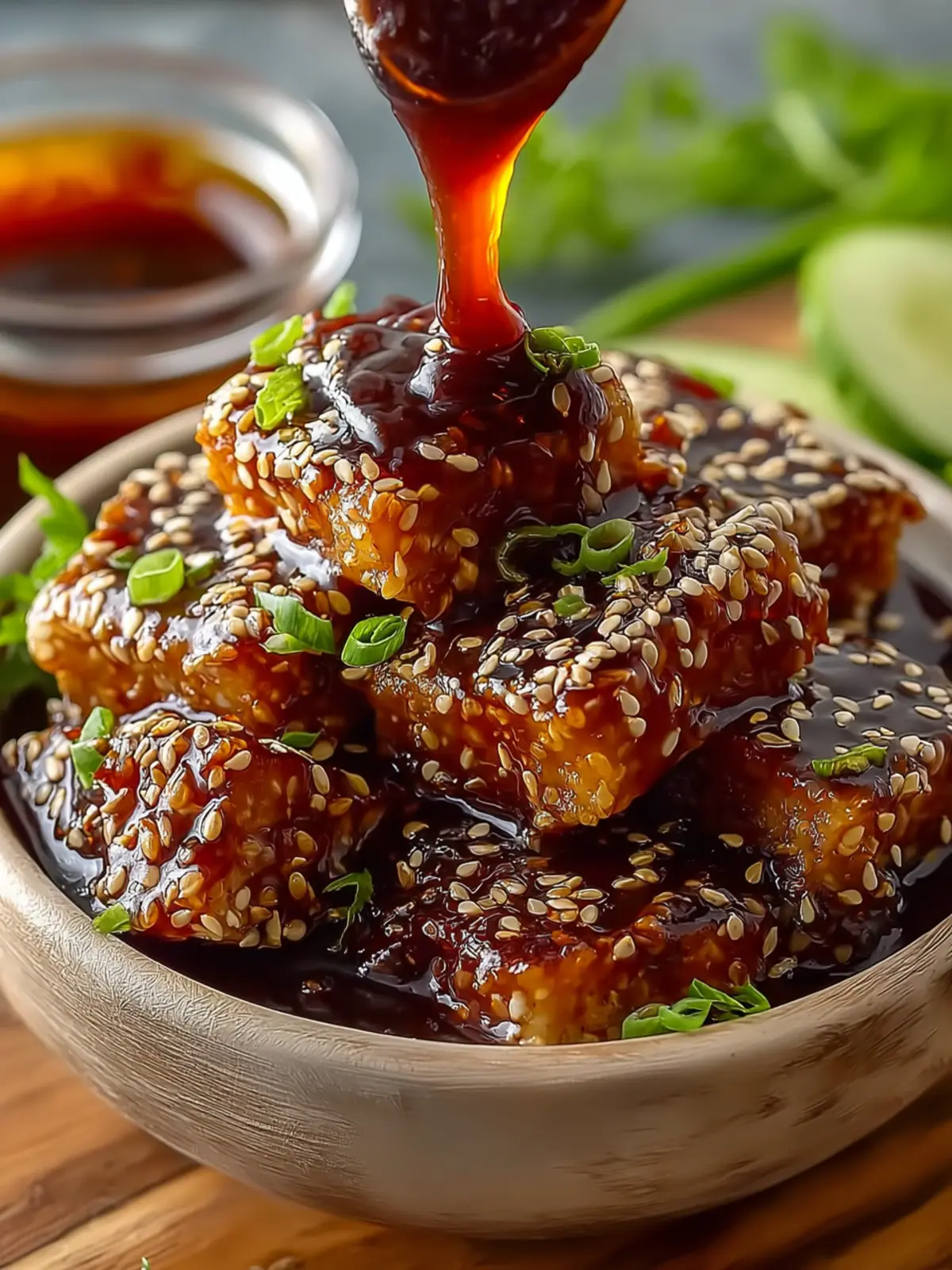
Serving Suggestions for Hoisin Sauce
Discovering the wonders of your homemade hoisin sauce recipe opens up a world of culinary possibilities. This savory, umami-rich sauce adds depth to a variety of dishes. Here are some delightful ways to serve it.
As a Marinade
Hoisin sauce is perfect as a marinade for meats. Try it with chicken, pork, or tofu—just let them sit in the sauce for at least 30 minutes before grilling or roasting. The sweet and salty flavors infuse the protein, creating a deliciously glazed finish.
Perfect Pairings
Consider using your sauce as a dipping sauce for spring rolls or dumplings. It complements the delicate flavors of the filling beautifully. You can even add a splash of rice vinegar or chili oil for an extra kick if you like your dips with a twist.
Stir-fries and Salads
Incorporate your homemade hoisin sauce into stir-fries for an instant flavor boost. Just toss it into your veggies and protein towards the end of cooking. Alternatively, drizzle it over salads for a zesty dressing that enhances both taste and texture.
Pizza or Sandwich Spread
Feeling adventurous? Try using it as a pizza or sandwich spread. The unique sweetness cuts through rich cheeses or meats, giving each bite a new dimension.
Experimenting with your homemade hoisin sauce will surely impress your friends and family!
Time Breakdown for Homemade Hoisin Sauce
Creating your own homemade hoisin sauce is a delightful culinary adventure that boasts fresh flavors and a perfect balance of sweetness and spice. Let’s look at the time you’ll need to make this delicious sauce from scratch.
Preparation Time
Getting organized is key! Spend about 5 to 10 minutes gathering the ingredients and measuring them out. This little upfront investment makes the mixing process so much smoother.
Mixing Time
Once everything’s prepped, it’ll take only about 5 minutes to blend all the ingredients until they’re well combined. Just a quick stir or blend will bring your homemade hoisin sauce to life.
Total Time
All in all, you’re looking at a total of approximately 10 to 15 minutes to whip up your homemade hoisin sauce. It’s quick, easy, and rewards you with a sauce that rivals anything store-bought!
Nutritional Facts for Homemade Hoisin Sauce
Crafting your own homemade hoisin sauce not only gives your dishes a unique flavor but also allows you to keep track of its nutritional profile. Let’s delve into the specifics of what makes this sauce a delightful addition to your meals.
Calories
This homemade hoisin sauce recipe contains around 50 calories per tablespoon. It’s a great way to add flavor without overwhelming your dish with a high-calorie count.
Protein
While not a significant source, you can expect roughly 1 gram of protein in each serving. It’s not meant to be a protein powerhouse, but it complements more protein-rich foods beautifully.
Sodium
One aspect to consider is sodium content. Each tablespoon typically has about 300 mg of sodium. This is something to watch if you’re monitoring your salt intake, but it’s still lower than many store-bought alternatives.
Incorporating this homemade hoisin sauce into your cooking opens a world of flavors while allowing you to maintain control over what’s in your recipe.
FAQs about Homemade Hoisin Sauce
Creating a delightful homemade hoisin sauce recipe opens doors to a world of vibrant flavors, but you might have some lingering questions about preservation and substitutions. Here’s a friendly guide to address those common queries!
Can I store homemade hoisin sauce?
Absolutely! One of the best parts about making your own hoisin sauce is knowing you can store it for later use. After preparing your sauce, transfer it to an airtight container or jar. This way, the flavors can meld together beautifully, enhancing the taste.
Can I substitute any ingredients?
Yes, you can definitely make substitutions if you’re in a pinch! Here are some great alternatives:
- Soy Sauce: If you need a gluten-free option, use tamari instead.
- Sugar: Maple syrup or agave nectar works well if you’re looking to reduce refined sugars.
- Vinegar: Feel free to swap in rice vinegar for a slightly different flavor profile.
These tweaks allow you to personalize your sauce while still keeping it deliciously close to the original.
How long will it last in the refrigerator?
When stored properly, your homemade hoisin sauce will last about two weeks in the refrigerator. Just make sure to give it a good stir each time you use it, as some separation may occur. If you find yourself with extra sauce, consider freezing it in ice cube trays for later use—perfect for those spontaneous stir-fry cravings!
Embrace the culinary adventure and enjoy every drop of your homemade creation!
Conclusion on Homemade Hoisin Sauce
In wrapping up this homemade hoisin sauce recipe, it’s clear that crafting your own sauce not only elevates your dishes but also allows you to tailor the flavors to your liking. Imagine the satisfaction of incorporating this rich, sweet, and tangy sauce into your meals, whether it’s for a stir-fry, dipping sauce, or marinade. You’re not just following a recipe; you’re creating a unique blend that reflects your taste. With a few simple ingredients, you’ll have a versatile sauce that can enrich your culinary adventures. So, roll up your sleeves, give it a try, and enjoy the delicious rewards!
Print
Peanut Sauce
- Total Time: 10 minutes
- Yield: 1 cup 1x
- Diet: Vegetarian
Description
This peanut sauce is a creamy and flavorful addition to your dishes.
Ingredients
Scale
- 1/4 cup soy sauce
- 2 tablespoons peanut butter
- 1 tablespoon honey
- 2 teaspoons rice vinegar
- 2 teaspoons sesame oil
- 1/2 teaspoon garlic powder
- 1/2 teaspoon Chinese five spice powder
- 1/2 teaspoon sriracha or hot sauce (optional)
- 2 to 3 tablespoons water
Instructions
- In a mixing bowl, whisk together soy sauce, peanut butter, and honey until smooth.
- Add rice vinegar, sesame oil, garlic powder, Chinese five spice, and sriracha (if using). Mix thoroughly.
- Slowly add water, one tablespoon at a time, whisking until the desired consistency is reached.
- Taste and adjust flavors by adding more honey, soy sauce, or vinegar as needed.
- Transfer to an airtight container and store in the refrigerator for up to two weeks.
Notes
- Store leftovers in the refrigerator for freshness.
- This sauce works well as a dip or dressing.
- Prep Time: 10 minutes
- Category: Sauce
- Method: No-Cook
- Cuisine: Asian
Nutrition
- Serving Size: 2 tablespoons
- Calories: 120
- Sugar: 5
- Sodium: 500
- Fat: 8
- Saturated Fat: 1.5
- Unsaturated Fat: 6.5
- Trans Fat: 0
- Carbohydrates: 11
- Fiber: 1
- Protein: 4
- Cholesterol: 0